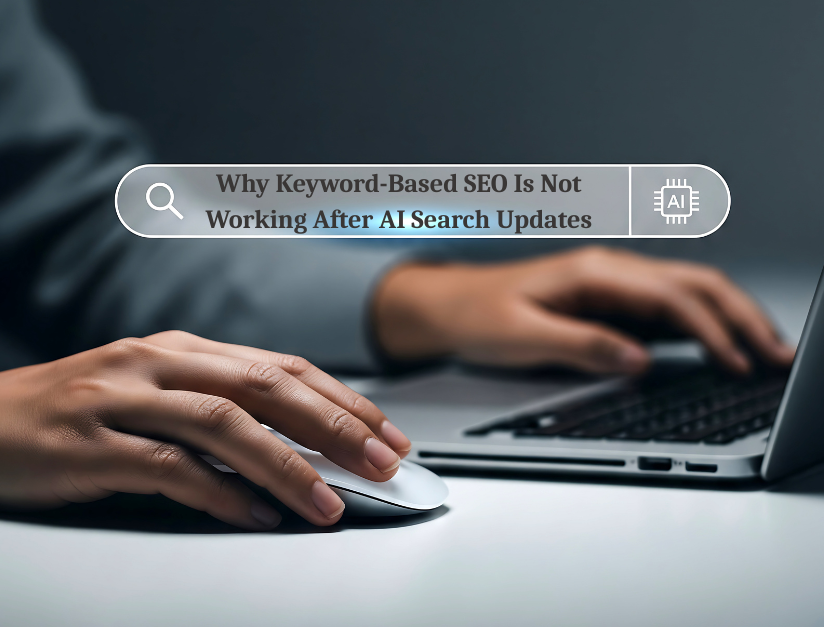
For many years, SEO success depended heavily on choosing the right keywords and placing them strategically across a web page. Today, after major AI-driven search updates introduced by Google, that approach is no longer enough.
Search engines no longer rely mainly on keyword matching. They now use advanced AI systems to understand meaning, intent and content quality.
This shift is the main reason keyword-based SEO is no longer working the way it used to.
For service-focused brands such as Mag Cloud Solutions, adapting to this change is essential for future visibility.
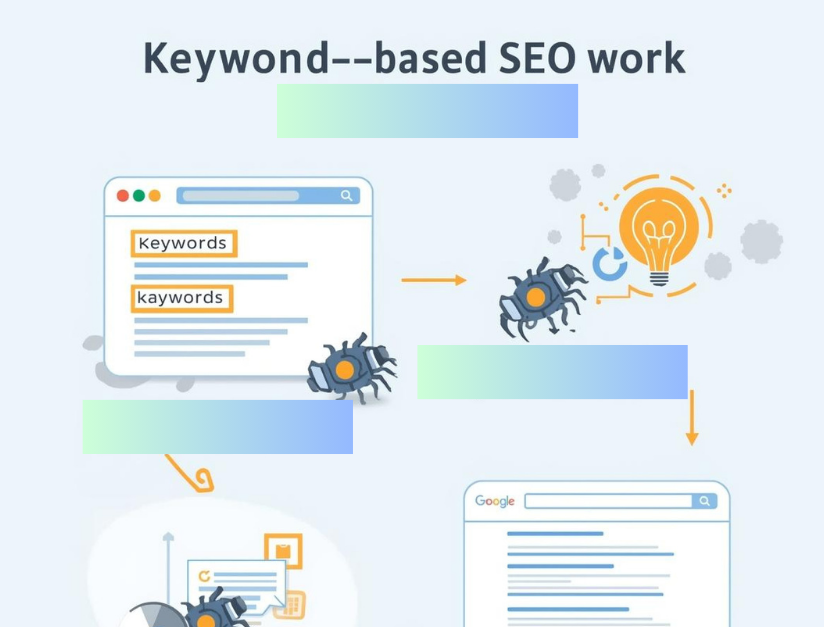
How keyword-based SEO used to work
Traditional SEO focused on:
- selecting a main keyword
- repeating it in titles, headings and body text
- using exact-match variations
- and optimising keyword density
This helped search engines understand which pages were relevant for a particular search query.
However, AI-powered search systems do not interpret content by counting words or phrases anymore.
How AI search systems now evaluate content
After recent AI search updates, search engines analyse pages based on:
- the actual meaning of the content
- how clearly a topic is explained
- how well the content matches the user’s intent
- and whether the information can be safely reused as an answer
In simple terms, AI focuses on understanding, not matching.
This change has made many keyword-focused pages ineffective in modern search results.
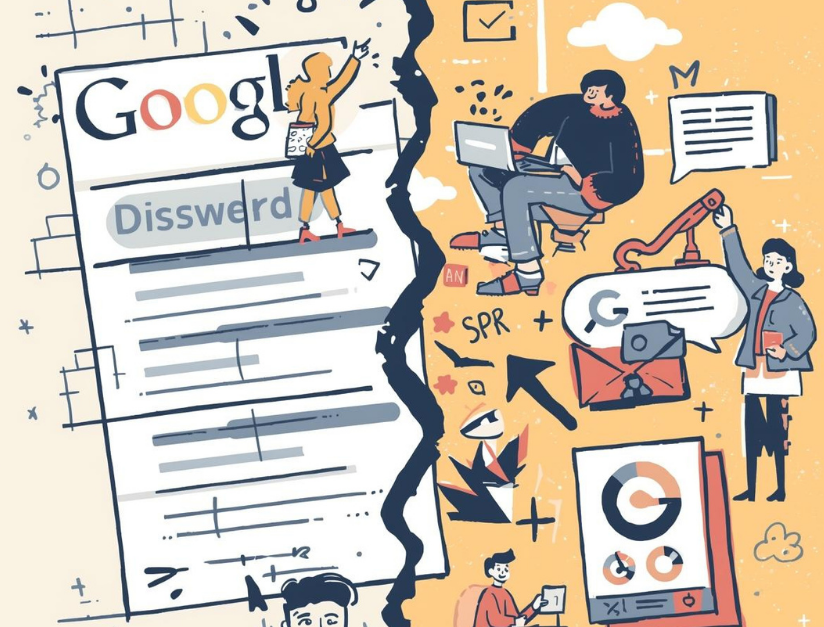
Keywords do not represent real user intent anymore
A single keyword can represent multiple user goals.
For example, a search like:
“digital marketing services”
can mean:
- learning what digital marketing services include
- comparing agencies
- looking for pricing
- or finding a local service provider
Keyword-based SEO treats all of these intents as the same.
AI search systems do not.
AI now tries to understand the real purpose behind the search.
If your page only targets the keyword and does not clearly satisfy the user’s real intent, it becomes less valuable for AI-driven results.
Repeating keywords does not improve understanding
Older optimisation methods encouraged repeating the same phrase in:
- multiple headings
- paragraphs
- and internal anchors
Modern AI systems understand language patterns, synonyms and context automatically.
They do not need repetition to identify relevance.
Instead, excessive keyword use often reduces clarity and makes content appear shallow or promotional.
This weakens AI confidence in the page.
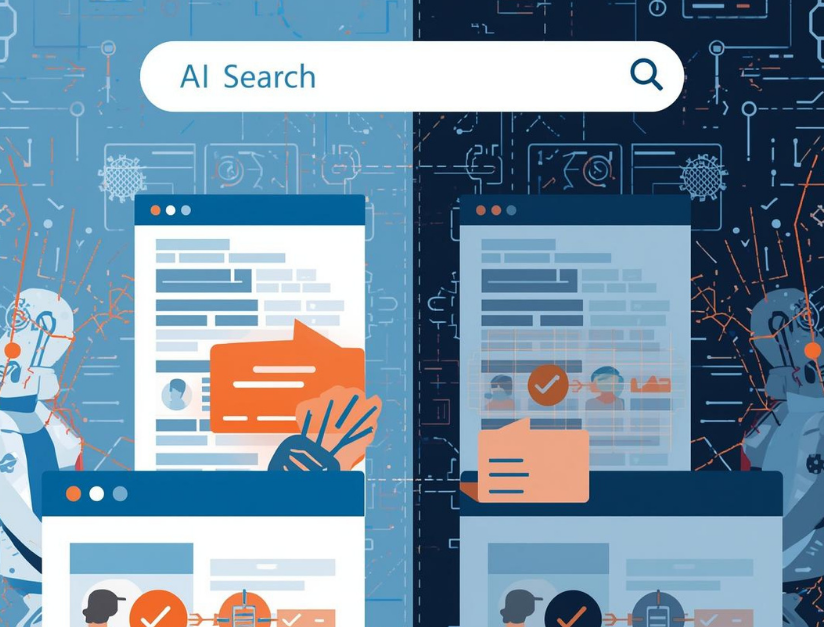
AI search selects answers, not just pages
One of the most important changes after AI search updates is that search engines no longer focus only on ranking pages.
They extract:
- definitions
- explanations
- steps
- and comparisons
from within pages.
If your content is written only to rank for a keyword and not structured to provide clear answer blocks, it becomes difficult for AI systems to reuse your content.
This is a major reason why keyword-based SEO fails in AI-driven search environments.
Keyword-optimised pages usually hide the real answer
Many traditional SEO pages:
- start with long marketing introductions
- delay the main explanation
- and mix multiple topics in one article
AI search prefers pages that clearly answer the main question early and then support that answer with structured sections.
When the real information is buried inside long paragraphs, AI cannot confidently extract it.
Structure now matters more than keyword placement
AI search systems rely heavily on page structure to understand meaning.
They analyse:
- heading hierarchy
- section boundaries
- lists and steps
- and short focused paragraphs
Keyword-based SEO focuses mainly on where the keyword appears.
AI-driven SEO focuses on how information is organised.
Poor structure reduces the reliability of content extraction and lowers the chances of appearing in AI-generated answers.

Context and topical coverage replace keyword density
After AI search updates, context has become more important than frequency.
AI systems evaluate:
- how well your page is supported by related content on your website
- whether your site consistently covers the topic
- and how pages are connected through internal linking
A page optimised for a keyword but published on a website without topical depth is less likely to be trusted.
Trust and credibility signals outweigh keyword usage
AI search also evaluates how trustworthy your content appears.
This includes:
- realistic and neutral explanations
- clear scope of information
- consistency with other reliable sources
- and alignment with your website’s expertise
Highly promotional keyword-optimised pages that overpromise results or avoid practical details are less likely to be selected as reliable references.
Keywords still matter — but only as a starting point
Keywords are not useless.
They are still helpful for:
- discovering what users search for
- identifying topics
- and planning content
However, keywords are no longer the strategy.
They are only the entry point.
Modern SEO requires turning a keyword into:
- a clear question
- a focused explanation
- and a structured information resource
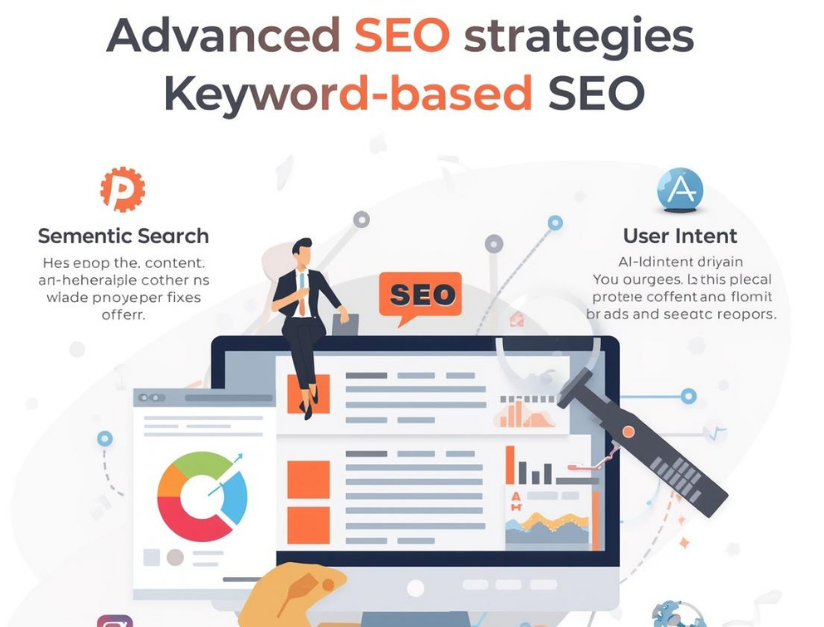
What works better than keyword-based SEO after AI updates
To perform well in AI-driven search results, content should focus on:
- one clear topic or question per page
- a direct and concise explanation near the top
- logically structured sections
- step-by-step processes where relevant
- real FAQ sections
- and strong internal linking to related topics
This approach is commonly described as answer-first optimisation or AEO (Answer Engine Optimisation).
Why this change matters for business websites
For business and service websites, the goal is no longer only to rank for keywords.
The goal is to become a trusted reference that AI systems can:
- understand easily
- summarise accurately
- and recommend confidently
Keyword-based SEO does not build that level of clarity or trust.
Final takeaway
Keyword-based SEO is not working after AI search updates because modern search systems no longer rely on keyword matching to understand relevance.
They rely on:
- intent
- clarity
- structure
- context
- and credibility
In today’s search environment, visibility comes from how well you explain a topic — not how often you repeat a phrase.
The future of SEO is not keyword-driven.
It is answer-driven.
FAQS
Keyword-based SEO is no longer effective because AI search systems prioritise meaning, user intent and clear explanations instead of keyword frequency and placement.
AI search systems analyse whether a page clearly answers a user’s question, uses structured sections and provides reliable, easy-to-extract information rather than focusing on exact keyword matches.
Yes, but only as a starting point. Keywords help define the topic, while clarity, structure and intent matching determine real visibility.
Most keyword-optimised pages delay the main answer, mix multiple topics and lack clear structure, which makes it difficult for AI systems to extract reliable information.
Content that is answer-first, intent-focused, clearly structured and supported by FAQs and internal links performs better after AI search updates.
Clear headings, short focused sections and logical topic flow help AI systems identify and reuse information safely in generated answers.
Yes. Internal linking helps AI understand topical relationships and strengthens a website’s subject authority.
Recent AI-driven search updates by Google are shifting SEO from keyword matching to intent understanding and answer selection.