Creating content for search engines is no longer just about inserting keywords or publishing long articles. Google has become much more advanced in how it evaluates the quality of content. The search engine now focuses on one major goal — showing users the most helpful information for their queries.
This shift has changed the way websites approach SEO. Instead of writing content only to rank, businesses and content creators now need to focus on providing real value to readers.
Understanding how Google measures helpfulness can help you create content that performs better in search results and builds long-term trust with users.
What “Helpful Content” Means to Google
Helpful content is information that genuinely answers a user’s question or solves their problem. Google wants users to find exactly what they are looking for without needing to visit multiple websites.
Content is considered helpful when it:
- Provides clear and accurate information
- Answers the search query directly
- Is written for real people, not just search engines
- Shows expertise or experience in the topic
- Offers useful insights rather than generic information
Google’s systems analyze many signals to determine whether a page meets these expectations.
Understanding Google’s Helpful Content Approach
Google introduced systems designed to identify content created primarily for users instead of search engine manipulation.
These systems evaluate websites as a whole rather than just individual pages. If a site consistently publishes low-quality or unhelpful content, it may struggle to perform well in search results.
On the other hand, websites that regularly publish informative and trustworthy content are more likely to gain visibility over time.
Factors Google Uses to Evaluate Content Helpfulness
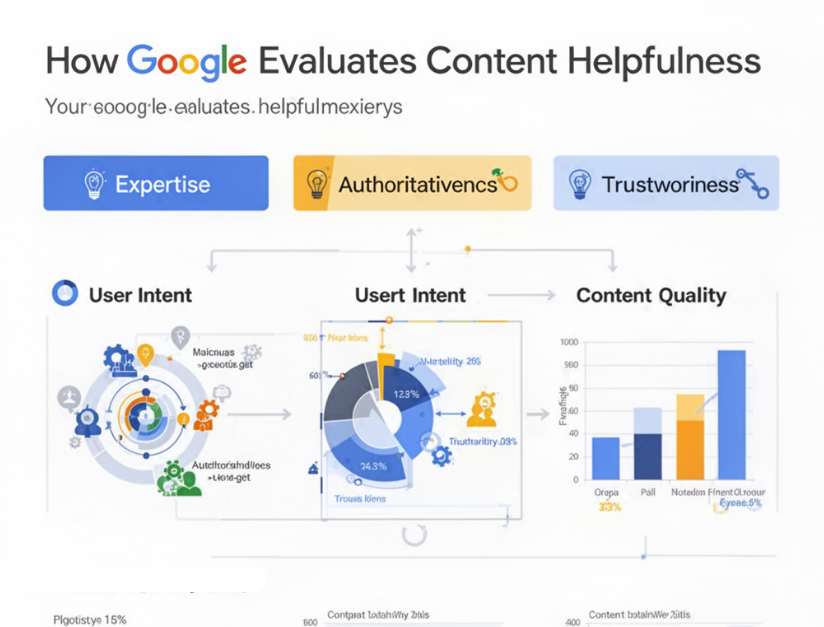
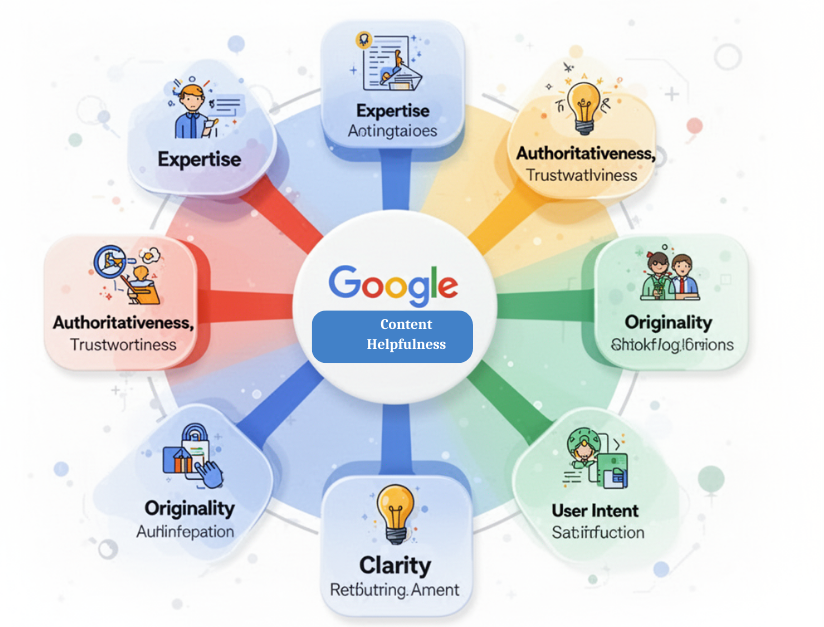
Although Google does not reveal the exact algorithm details, several factors influence how helpful a page appears to search engines.
Relevance to Search Intent
One of the most important factors is whether the content matches the user’s intent. When someone searches for information, Google tries to deliver results that satisfy the purpose behind the query.
For example, someone searching for “how to improve website speed” expects practical guidance rather than promotional content. Pages that directly address the user’s intent are more likely to perform well.
Depth and Clarity of Information
Helpful content usually explains a topic clearly and thoroughly. It should provide enough detail to help readers understand the subject without becoming confusing or overly complex.
Well-structured content with headings, short paragraphs, and clear explanations makes information easier to read and understand.
Experience and Expertise
Google also evaluates whether the content demonstrates real knowledge or experience. Articles written by professionals or people with practical experience in a field tend to be considered more trustworthy.
Providing examples, insights, or practical advice can help demonstrate expertise.
Originality of Content
Search engines value original information. Content that simply repeats what is already available on other websites may not perform well.
Adding unique perspectives, case studies, or real examples can make your content more valuable to readers.
User Engagement Signals
Google also observes how users interact with a page. If visitors stay on the page longer and explore the website further, it can indicate that the content is useful.
High bounce rates or very short visits may suggest that users did not find the information helpful.
Website Trust and Credibility
Trust is another important element. Websites that maintain consistent quality, provide accurate information, and build a strong reputation are more likely to be trusted by search engines.
Elements that contribute to credibility include clear author information, transparent business details, and reliable sources of information.
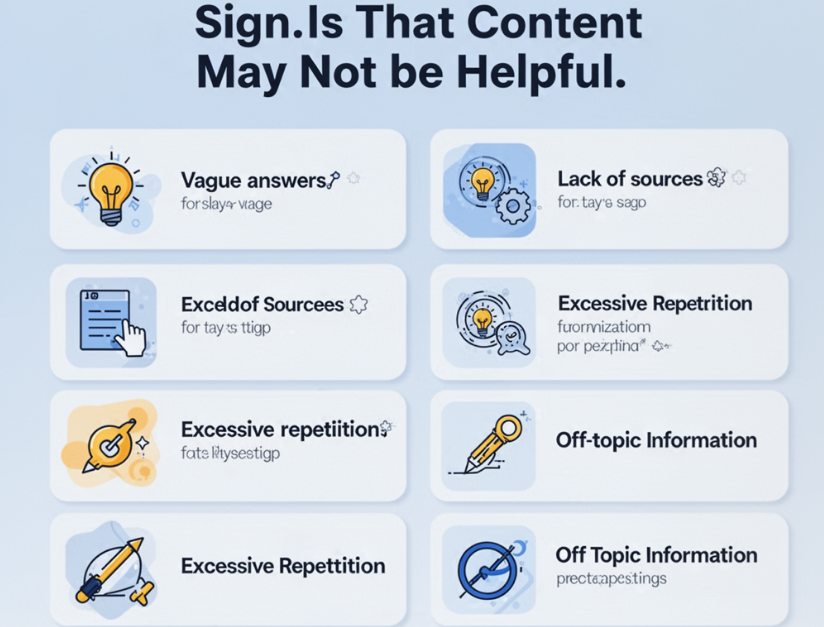
Signs That Content May Not Be Helpful
Some types of content may struggle to perform well in search results because they do not meet Google’s quality expectations.
Examples include:
- Articles written mainly to target keywords
- Content that provides little useful information
- Pages created only to generate traffic
- Automatically generated or repetitive content
Websites that rely heavily on these approaches may find it difficult to achieve sustainable rankings.
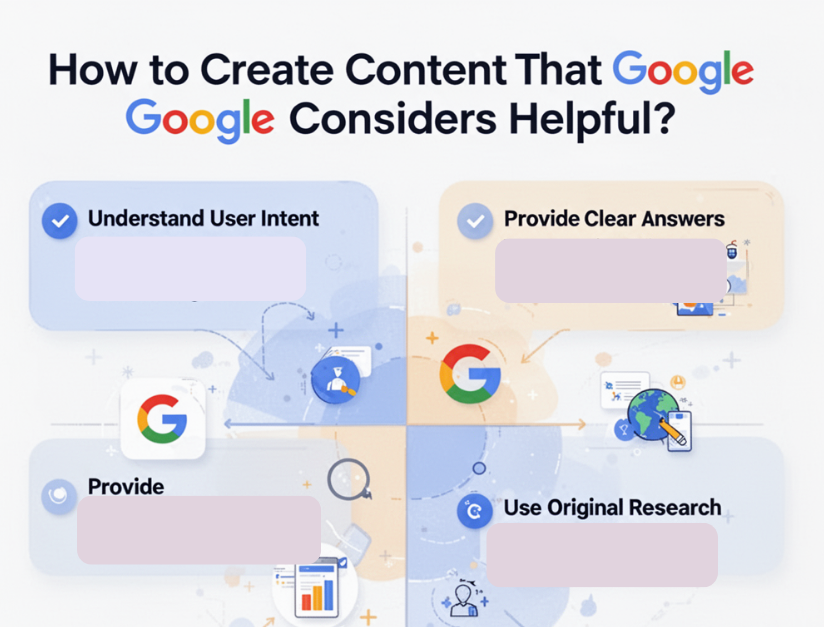
How to Create Content That Google Considers Helpful
If your goal is to create content that performs well in search results, the focus should always remain on the user.
Here are some practical strategies:
Understand your audience
Know what problems your audience is trying to solve.
Answer questions clearly
Make sure your content directly addresses the search query.
Provide practical insights
Include tips, examples, or real experiences that add value.
Write in a clear and simple style
Content should be easy to read and understand.
Update content regularly
Keeping information fresh helps maintain accuracy and relevance.
By following these principles, your content becomes more valuable to both readers and search engines.
Final Thoughts
Google’s approach to evaluating content has evolved significantly. Instead of focusing only on technical SEO signals, search engines now prioritize the usefulness and quality of information.
Websites that focus on helping users, sharing genuine knowledge, and providing clear answers are more likely to succeed in the long run.
Rather than trying to manipulate search algorithms, the most effective strategy is to create content that truly benefits your audience. When readers find value in your content, search engines are more likely to recognize its importance as well.
FAQS
Helpful content is information that genuinely answers a user’s question and provides clear, useful insights rather than being written only to rank in search engines.
Yes. Content that satisfies user intent and provides valuable information is more likely to rank higher in search results.
Google analyzes factors like thin information, keyword stuffing, duplicate content, and poor user engagement.
Not necessarily. Content should be detailed enough to answer the question but also clear and easy to read.
Focus on answering real questions, provide useful insights, structure content clearly, and ensure the information is accurate and trustworthy.