
In today’s digital world, customers are exposed to thousands of advertisements every day. From social media ads to search ads, promotional messages are everywhere. Yet, despite this constant exposure, many users trust informational content far more than ads.
This shift is changing how businesses attract customers. Instead of relying only on advertising, companies are now focusing on educating their audience.
Understanding why this happens can help businesses build stronger trust, better relationships, and long-term growth.
People are naturally skeptical of ads
Most users know that ads are designed to sell.
Because of this, they often question:
- the claims made in ads
- the promises being offered
- and the overall intent
Ads are seen as biased because they promote a specific product or service.
This reduces trust.
Informational content feels unbiased
Informational content is created to explain, guide, or educate.
It focuses on:
- solving problems
- answering questions
- and providing clarity
Because it does not directly push a sale, users perceive it as more genuine.
This increases trust.

Users prefer to make their own decisions
Modern customers do not want to be forced into buying decisions.
They prefer to:
- research
- compare
- and understand
Informational content supports this process.
It gives users the knowledge they need to decide on their own.
This creates confidence.
Informational content builds expertise
When a business consistently provides valuable information, it demonstrates expertise.
Over time, users begin to see the brand as:
- knowledgeable
- reliable
- and professional
Expertise builds authority.
Authority builds trust.
Ads interrupt, content attracts
Ads often interrupt the user experience.
They appear while users are:
- browsing
- watching videos
- or reading content
Informational content works differently.
It attracts users who are actively searching for answers.
This makes the interaction more natural.

Informational content creates long-term value
Ads provide short-term visibility.
Once the budget stops, visibility disappears.
Informational content continues to generate traffic over time.
It remains useful and accessible.
This creates long-term value.
Content answers real questions
Customers trust brands that understand their problems.
Informational content focuses on:
- real user questions
- real challenges
- and practical solutions
This relevance improves connection.
Connection improves trust.
Repeated exposure builds familiarity
When users repeatedly see helpful content from a brand, they become familiar with it.
Familiarity increases comfort.
Comfort increases trust.
Over time, this leads to stronger brand recall.
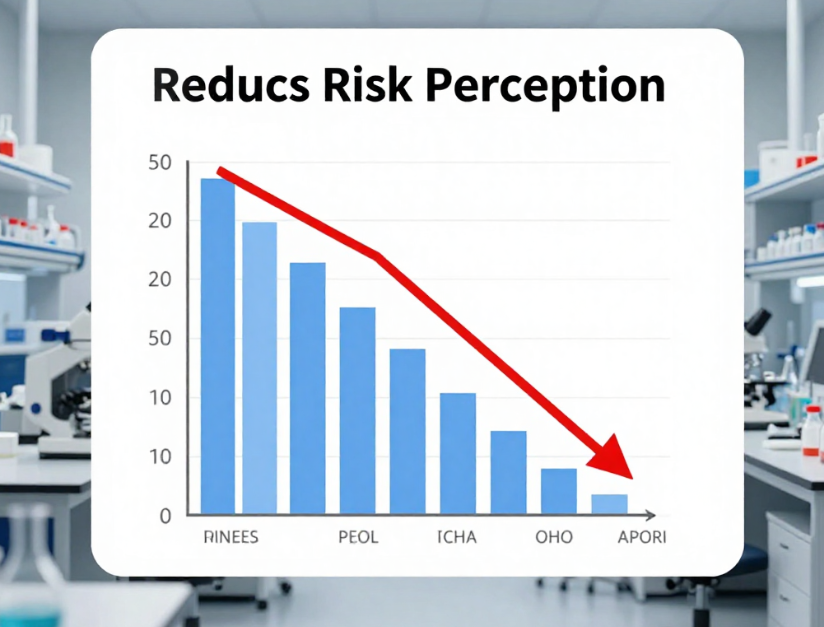
Informational content reduces risk perception
Buying decisions involve risk.
Customers want to feel confident before choosing a business.
Informational content reduces uncertainty by:
- explaining processes
- providing clarity
- and answering doubts
Lower risk increases trust.
Why ads still matter
Ads are not useless.
They help:
- create awareness
- generate quick traffic
- and promote offers
However, ads work best when combined with strong informational content.
Together, they create a balanced strategy.
The shift from selling to educating
Modern marketing is shifting from:
selling → educating
Businesses that focus on education:
- build stronger relationships
- attract better-quality leads
- and achieve long-term growth
Final takeaway
Customers trust informational content more than ads because it feels:
- genuine
- helpful
- and unbiased
While ads try to convince, content helps users understand.
In 2026, the most successful businesses are not the ones that advertise the most.
They are the ones that educate, guide, and build trust.
When trust is built, conversions follow naturally.
FAQS
Because content provides value and feels unbiased, while ads are designed to sell.
Yes, it builds trust and helps customers make confident decisions.
Yes, ads help with visibility, but they work best when combined with content.
By providing helpful information and demonstrating expertise.
Educational, problem-solving, and informative content performs best.