Digital payments have become an important part of modern retail. Customers today expect fast, convenient, and secure payment options whether they are shopping in a physical store, visiting an ecommerce website, or purchasing through a mobile application.
Retail businesses are therefore investing in payment technologies that can make transactions faster while providing a better customer experience.
From mobile wallets and QR payments to contactless cards, payment gateways, and integrated POS systems, technology is changing how customers pay for products and how retailers manage transactions.
As ecommerce and digital commerce continue to grow, digital payments are becoming an important part of the overall retail technology ecosystem.
What Are Digital Payments?
Digital payments allow customers to pay for products or services electronically without using physical cash.
Common examples include:
- Credit and debit cards
- Mobile wallets
- QR code payments
- Bank transfers
- Contactless payments
- Payment gateway transactions
- Buy Now, Pay Later services
- Mobile banking payments
These payment methods can be used in physical stores as well as online shopping platforms.
For retailers, digital payments can also provide transaction records that can be connected with accounting, inventory, customer relationship management, and business analytics systems.
Why Digital Payments Matter in Retail
Convenience is one of the biggest reasons customers prefer digital payments.
A customer can scan a QR code, tap a card, or complete an online payment within seconds. Faster transactions can reduce queues and improve the overall shopping experience.
Digital payments can also help retailers maintain better transaction records. Instead of manually recording every cash transaction, payment information can be automatically captured by connected systems.
This creates opportunities for retailers to improve reporting, accounting, and business analysis.
1. Mobile Payments Are Becoming More Important
Smartphones have become an important part of the shopping experience.
Customers can use mobile wallets, banking applications, QR codes, and retailer applications to make payments directly from their phones.
For ecommerce businesses, mobile-friendly payment experiences are particularly important because customers may complete purchases from smartphones at any time.
Retailers therefore need to ensure that their checkout process works smoothly across different mobile devices.
2. QR Code Payments
QR codes have become a simple way for customers to make digital payments.
A retailer can display a QR code at the checkout counter, allowing customers to scan it using a compatible payment application.
QR payments can be particularly useful for small and medium-sized businesses because they can provide a relatively simple way to accept digital transactions without requiring complicated payment infrastructure.
Retailers can also use QR codes for purposes beyond payments, such as product information, loyalty programs, offers, and digital receipts.
3. Contactless Payments
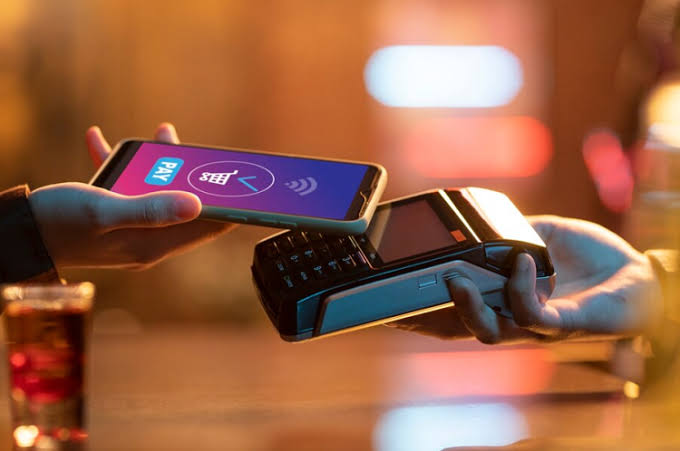
Contactless payment technology allows customers to complete transactions by tapping a compatible card, phone, or wearable device near a payment terminal.
The process can be faster than traditional card transactions because customers do not always need to insert a card or handle cash.
For busy retail environments, faster checkout can help improve customer flow and reduce waiting times.
4. Payment Gateways for Ecommerce
For online retailers, payment gateways are a critical part of the checkout process.
A payment gateway connects an ecommerce website or application with payment processing services. Customers can select an available payment method and complete their purchase online.
A good payment experience should be simple, secure, mobile-friendly, and easy to understand.
If customers experience unnecessary steps or payment errors during checkout, they may abandon their purchase.
5. Multiple Payment Options
Customers have different payment preferences.
Some customers prefer cards, while others prefer mobile wallets, bank transfers, QR payments, or other digital payment methods.
Providing multiple payment options can make ecommerce and physical retail more convenient for a wider range of customers.
However, retailers should focus on integrating reliable payment methods rather than adding unnecessary options that make the checkout experience confusing.
6. Digital Payments and POS Systems
Modern POS systems can connect payments with other retail operations.
When a customer purchases a product, the POS system can record the transaction, update inventory, calculate totals, and generate a receipt.
This creates a connection between payments and inventory management.
For example, if a product is sold through a physical store, the inventory system can automatically reduce the available stock.
This type of integration helps retailers maintain more accurate business records.
7. Digital Receipts
Digital receipts are another development in modern retail payments.
Instead of receiving a printed receipt, customers may receive transaction information through email, SMS, an application, or another digital channel.
Digital receipts can reduce paper usage and make it easier for customers to store transaction information.
For retailers, digital receipts can also become part of customer communication and loyalty programs, provided customer data is handled appropriately.
8. Buy Now, Pay Later
Buy Now, Pay Later services allow eligible customers to divide certain purchases into multiple payments according to the provider’s terms.
These services are particularly relevant for ecommerce and higher-value retail purchases.
However, retailers should clearly communicate payment terms, fees, eligibility requirements, and repayment conditions to customers.
Payment flexibility should not come at the cost of unclear financial information.
9. AI and Fraud Detection
Digital payments also create opportunities for technology-assisted fraud detection.
Payment systems can analyze transaction information and identify unusual patterns that may require additional verification.
For example, a system may flag unusual transaction behavior based on predefined security rules or risk signals.
AI and machine learning can support these systems by helping analyze large volumes of transactions.
However, automated fraud detection should be combined with appropriate security processes and human oversight where necessary.
10. Payment Security
Security is one of the most important considerations in digital payments.
Retailers need to protect customer information and payment-related data throughout the transaction process.
Businesses should use trusted payment providers, secure connections, updated software, strong authentication practices, and appropriate access controls.
Employees should also be trained to recognize phishing attempts, suspicious payment requests, and other security risks.
Security should be considered during the design of a payment system rather than added only after a problem occurs.
11. Omnichannel Payment Experiences
Modern customers may interact with the same retailer through multiple channels.
A customer might discover a product on social media, research it on a website, purchase it through a mobile device, and later visit a physical store.
Retailers are therefore working toward connected payment and commerce experiences.
An integrated system can help businesses connect transactions across online and offline channels while maintaining consistent customer and order information.
12. Digital Payments and Customer Loyalty
Payment systems can also work alongside loyalty programs.
When customers make purchases through an identified account or loyalty program, retailers may be able to connect transactions with customer profiles according to their privacy practices and applicable requirements.
This can help businesses understand purchasing behavior and provide relevant loyalty benefits.
For example, retailers may provide reward points, digital coupons, or purchase-based offers through their loyalty platforms.
13. Embedded Payments
Embedded payments integrate payment functionality directly into a digital product or customer experience.
Instead of sending customers through multiple external steps, businesses can provide payment functionality within an application, platform, or connected service.
This approach can be useful for marketplaces, subscription businesses, mobile applications, and other digital commerce models.
The objective is to make payment a natural part of the customer journey.
Challenges for Retailers
Although digital payments provide many benefits, retailers also face challenges.
Payment systems can experience technical failures, connectivity problems, integration issues, fraud attempts, and compatibility problems.
Businesses also need to consider transaction costs, payment provider requirements, refunds, chargebacks, data protection, and customer support.
Retailers should therefore evaluate payment solutions based on reliability, security, integration capabilities, customer experience, and overall business requirements.
The Future of Digital Payments in Retail
The future of retail payments is likely to involve greater integration between payment systems, ecommerce platforms, POS software, mobile applications, loyalty programs, and customer data platforms.
Payment experiences may become increasingly automated and personalized while security systems become more sophisticated.
Technologies such as biometric authentication, digital wallets, tokenization, AI-assisted fraud detection, and connected commerce platforms may continue to influence how customers pay.
At the same time, retailers will need to balance convenience with security and responsible data management.
Conclusion
Digital payments are transforming the retail industry by making transactions faster, more convenient, and easier to integrate with modern business systems.
From QR codes and mobile wallets to contactless payments, ecommerce gateways, digital receipts, and integrated POS platforms, retailers have more options than ever to build convenient payment experiences.
The most effective payment strategy depends on the retailer’s customers, products, business model, and technology infrastructure.
As retail continues to become more connected, digital payments will remain an important part of the customer journey and the broader digital transformation of the retail industry.