Physical retail stores are changing rapidly as businesses adopt new technologies to improve customer experiences and make store operations more efficient. One technology receiving increasing attention is computer vision.
Computer vision uses cameras, software, and artificial intelligence to analyze visual information. In retail environments, it can help businesses understand product availability, customer movement, checkout activity, store operations, and other visual information.
Unlike traditional security cameras that mainly record video, computer vision systems can analyze what is happening in real time and provide useful information to retail teams.
From smart shelves and automated checkout to inventory monitoring and store analytics, computer vision is becoming an important part of modern retail technology.
What Is Computer Vision in Retail?
Computer vision is a technology that enables software systems to process and interpret visual information from cameras and other devices.
In a retail store, computer vision can be used to identify products, monitor shelves, analyze store traffic, support checkout systems, and detect certain operational events.
The technology can work alongside artificial intelligence, IoT devices, POS systems, and inventory management platforms.
The goal is not simply to collect video footage. The goal is to turn visual information into useful operational data.
1. Improving Inventory Monitoring
One of the most important applications of computer vision is inventory management.
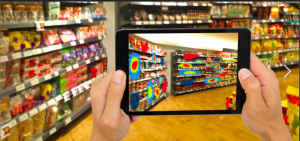
Cameras can monitor shelves and identify situations where products are missing, misplaced, or running low.
Instead of employees manually checking every shelf throughout the day, computer vision can provide alerts when certain conditions are detected.
This can help retail teams respond faster and keep popular products available.
2. Smart Shelf Monitoring
Smart shelves can combine sensors, cameras, and software to provide more information about products on store shelves.
Computer vision systems can analyze whether products are positioned correctly or whether a particular section requires attention.
For large stores with thousands of products, automated shelf monitoring can reduce some of the repetitive work involved in checking displays.
The information can also be connected with inventory systems to provide a more complete view of store operations.
3. Understanding Customer Movement
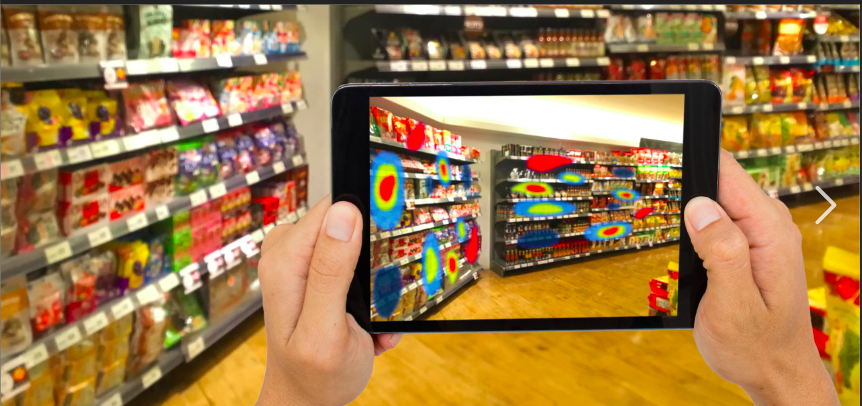
Retailers can use computer vision to analyze general customer movement through a store.
For example, businesses may study which areas receive more customer traffic and which sections receive less attention.
This information can help retailers evaluate store layouts and product placement.
However, businesses need to consider privacy requirements when using cameras and customer-related data. Systems should be designed and operated in accordance with applicable laws, policies, and customer expectations.
4. Improving Store Layouts
Store layout can influence how customers move through a retail environment.
Computer vision analytics can provide information about customer traffic patterns and areas of higher or lower activity.
Retailers can use these insights to evaluate whether important products are easy to find and whether certain sections are receiving sufficient customer attention.
This allows businesses to test store layouts based on data rather than relying only on assumptions.
5. Supporting Automated Checkout
Computer vision is also being used in checkout technologies.
Camera-based systems can help identify products and support automated shopping experiences.
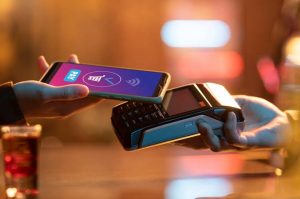
In some retail environments, customers may be able to select products and complete payment without going through a traditional checkout process.
These systems can reduce manual checkout steps, although their implementation requires careful integration, testing, security, and customer support.
6. Reducing Checkout Queues
Long checkout queues can create frustration for customers, particularly during busy shopping periods.
Computer vision-supported checkout systems can help automate certain parts of the checkout process.
Retailers can also use store analytics to understand when checkout areas become crowded and allocate employees accordingly.
This can help businesses manage customer flow more efficiently.
7. Product Recognition
Computer vision can be trained or configured to recognize products based on visual information.
Product recognition can be useful for applications such as automated checkout, shelf monitoring, product verification, and inventory analysis.
For example, a system may identify whether the correct product is placed in a particular shelf location.
Product recognition can also support retail applications where large numbers of products need to be monitored.
8. Detecting Empty Shelves
A product can be available in a retailer’s inventory system but still be missing from the physical shelf.
This can happen when employees have not replenished the shelf or when products are placed in another location.
Computer vision can help identify empty or partially empty shelf areas and notify employees.
This creates a connection between what the inventory system says is available and what customers can actually see in the store.
9. Improving Promotional Displays
Retailers often use promotional displays to highlight special products and offers.
Computer vision can help businesses check whether displays are properly arranged and whether promotional areas remain stocked.
This can be particularly useful for businesses with multiple locations where maintaining consistent displays manually can be difficult.
Store teams can receive alerts when certain displays require attention.
10. Loss Prevention and Security
Computer vision can also support retail security and loss-prevention operations.
Depending on the system and its configuration, computer vision may help identify unusual events or activity that requires employee attention.
However, automated systems should not be treated as perfect or infallible. False alerts can occur, and businesses need appropriate procedures for reviewing and responding to detected events.
Privacy and data protection are also important considerations when using cameras in retail environments.
11. Combining Computer Vision With AI
Artificial intelligence can make computer vision systems more capable.
AI models can process visual information and identify patterns across large amounts of data.
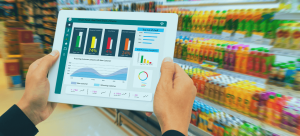
For example, a retailer may combine computer vision with inventory data to understand whether products are consistently running out at particular times.
AI can also help identify operational patterns that may not be obvious through manual observation.
The combination of computer vision, AI, and analytics creates opportunities for more automated retail operations.
12. Computer Vision and Omnichannel Retail
Physical stores are increasingly connected with ecommerce platforms.
Computer vision can contribute to this connection by providing information about physical store inventory and product availability.
For example, if a retailer allows customers to order products online for store pickup, accurate store-level inventory becomes extremely important.
Computer vision and other store technologies can provide additional information that helps improve inventory visibility.
13. Improving Employee Productivity
Retail employees spend considerable time performing repetitive tasks such as checking shelves, counting products, and monitoring displays.
Automation can reduce some of this manual work.
Employees can then spend more time assisting customers, maintaining displays, handling complex requests, and performing tasks that require human judgment.
The purpose of retail automation is therefore not necessarily to remove employees from the store. It can also be used to help employees work more efficiently.
Privacy and Data Protection
Privacy is an important issue when implementing computer vision in physical retail environments.
Businesses should clearly understand what information their systems collect, how long it is stored, who can access it, and how it is used.
Retailers should also consider applicable privacy and data protection requirements in the locations where they operate.
Where possible, systems should collect only the information necessary for the intended business purpose.
Strong access controls, secure storage, responsible data retention, and transparent policies can help reduce unnecessary privacy risks.
Challenges of Computer Vision
Computer vision systems can require significant investment in cameras, software, networking, storage, and system integration.
Lighting conditions, camera placement, product similarities, crowded environments, and changing store layouts can also affect system performance.
Retailers need to test systems carefully before deploying them across multiple locations.
Employee training is another important consideration. Store teams need to understand how alerts are generated and how they should respond.
The Future of Computer Vision in Retail
Computer vision is likely to become increasingly connected with AI, robotics, IoT devices, inventory platforms, and smart POS systems.
Future retail stores may use visual technologies to provide more automated inventory monitoring, checkout assistance, store analytics, and operational alerts.
However, technology adoption will need to balance automation with customer privacy, security, transparency, and human oversight.
Retailers that carefully integrate computer vision into their existing technology infrastructure can use it as a tool for improving both store operations and customer experiences.
Conclusion
Computer vision is changing physical retail by turning camera-based information into actionable business insights.
From shelf monitoring and product recognition to customer traffic analysis, automated checkout, inventory visibility, and store operations, the technology has many potential applications.
Successful implementation requires more than installing cameras. Retailers need reliable software, accurate data, appropriate privacy practices, employee training, and integration with existing business systems.
As physical and digital retail continue to become more connected, computer vision can play an important role in building smarter and more data-driven stores.