
Social media marketing becomes effective only when it aligns with how people actually behave online.
Many businesses plan their social media strategy based on what they want to post, not on what their audience wants to see. This mismatch is the reason most social media efforts fail to deliver meaningful results.
A strong social media strategy does not start with posting ideas or trends.
It starts with understanding audience behavior.
Why Audience Behavior Matters in Social Media Marketing
People do not use social media with the intention of buying something.
They scroll casually, skim content, and stop only when something feels relevant or interesting.
Audience behavior tells you:
- What type of content people pause for
- What kind of posts they ignore
- How often they engage
- When they are most active
If your content matches these patterns, engagement increases naturally.
If it doesn’t, even high-quality content gets overlooked.

Step 1: Understand Why Your Audience Uses Social Media
Every audience uses social media differently.
Some people look for information. Others want entertainment. Many just want quick updates.
Ask basic but important questions:
- Are they here to learn or relax?
- Do they prefer short content or detailed explanations?
- Do they engage more with visuals, videos, or text?
For example, a business audience often prefers educational and problem-solving content, while lifestyle audiences respond better to relatable and visual posts.
A strategy built on assumptions rarely works.
A strategy built on behavior usually does.
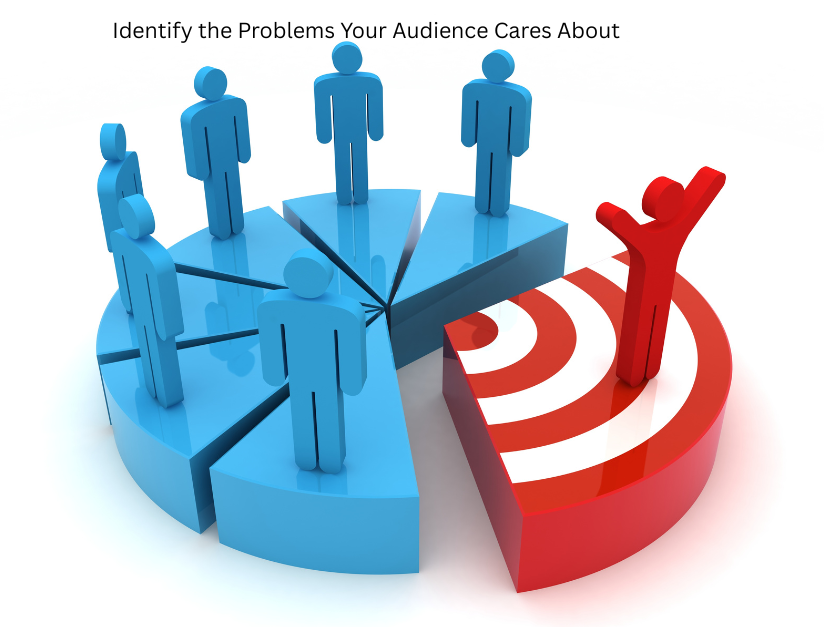
Step 2: Identify the Problems Your Audience Cares About
Audience behavior is deeply connected to problems and questions.
Look at:
- Questions people ask in comments or messages
- Repeated doubts during sales calls
- Common objections before choosing a service
- Search queries related to your industry
Your social media content should answer these questions before people ask them directly.
When users feel understood, trust builds faster.
This is where social media stops being promotional and starts becoming valuable.

Step 3: Observe How Your Audience Engages With Content
Not all engagement is equal.
Pay attention to:
- Which posts get saved
- Which posts get shared
- Which posts spark conversations
- Which posts are ignored
Audience behavior shows preference clearly.
If educational posts perform better than offers, your strategy should lean into education.
If simple posts outperform complex designs, simplify your content.
Social media algorithms reward content that aligns with user behavior.
So does your audience.

Step 4: Match Content Style With Scrolling Habits
People don’t read social media posts the way they read blogs.
They:
- Scan headlines
- Read the first line
- Decide within seconds whether to continue
That’s why your content should:
- Start with a clear, relatable hook
- Use short paragraphs
- Avoid heavy sales language
- Feel natural within the platform
A behavior-based strategy respects attention span instead of fighting it.
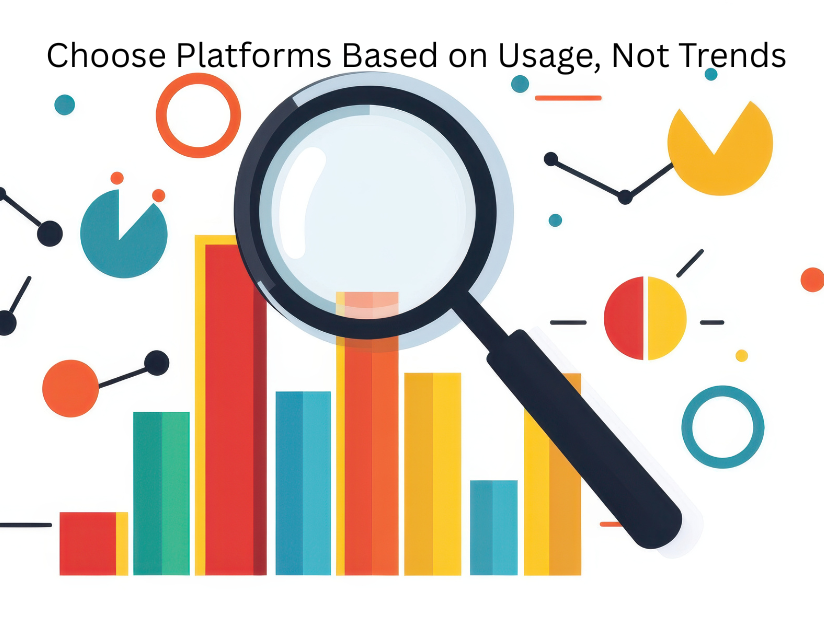
Step 5: Choose Platforms Based on Usage, Not Trends
Being on every platform is unnecessary and exhausting.
Audience behavior helps you choose wisely:
- Where do they spend the most time?
- Where do they engage more?
- Where do they ask questions?
If your audience prefers one platform, focus there.
Consistency on one platform beats weak presence everywhere.
A focused strategy is easier to maintain and easier to scale.
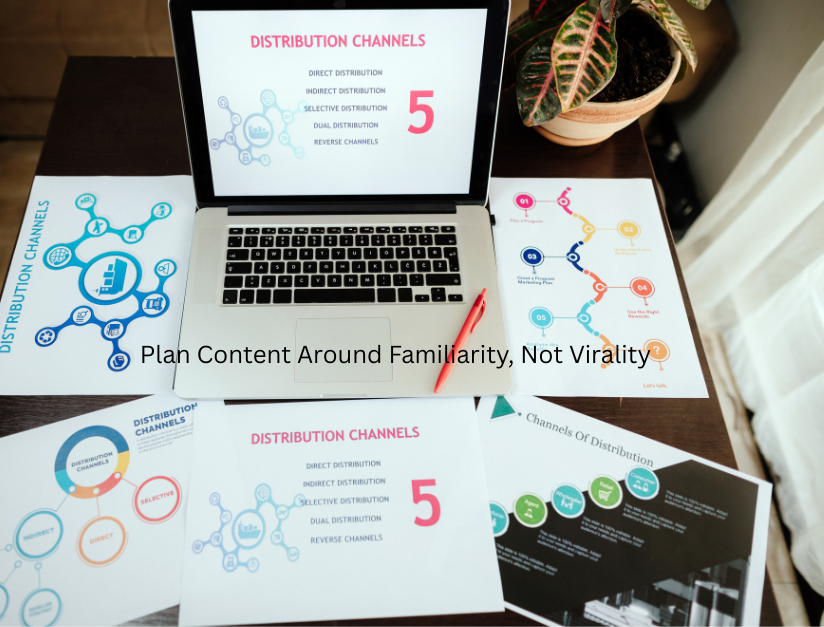
Step 6: Plan Content Around Familiarity, Not Virality
Audience behavior shows that people trust what feels familiar.
They don’t usually act after seeing a brand once.
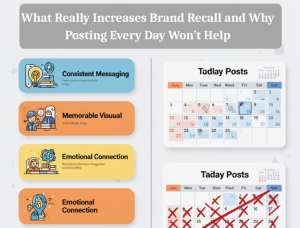
A good strategy focuses on:
- Repeated visibility
- Consistent tone
- Clear messaging
- Recognizable content themes
This builds brand recall over time.
When people are ready to decide, they remember you.
Viral content may bring attention.
Consistent content builds trust.

Step 7: Be Patient and Observe Patterns Over Time
Audience behavior does not change overnight.
Neither should your strategy.
Give your content time to:
- Reach the right people
- Build recognition
- Create engagement patterns
Track behavior monthly instead of daily.
Look for trends, not instant wins.
Social media success is cumulative, not immediate.
How We Build Behavior-Based Strategies at Mag Cloud Solutions
At Mag Cloud Solutions, we don’t start with content calendars or templates.
We start by studying how the audience behaves.
We focus on:
- How users interact with similar content
- What type of messaging feels natural
- What builds trust without pressure
- How social media supports website and SEO efforts
Our goal is not to post more.
It’s to post smarter.
When strategy aligns with behavior, content feels natural—and results follow.
Common Mistakes to Avoid
- Posting only promotional content
- Copying competitors without understanding your audience
- Expecting quick results
- Ignoring engagement data
- Changing strategy too frequently
Audience behavior rewards consistency and clarity.
Final Thought
A successful social media strategy is not about what looks good.
It’s about what feels right to the audience.
When your content aligns with how people think, scroll, and engage, social media stops feeling like marketing.
It becomes communication.
That’s where real results begin.

Frequently Asked Questions (FAQs)
1 What does “audience behavior” mean in social media marketing?
Audience behavior refers to how people use social media—what they watch, like, save, share, and ignore. Understanding this helps create content that feels relevant instead of promotional.
2 Why is audience behavior more important than posting frequency?
Posting often without relevance usually leads to low engagement. When content matches audience behavior, even fewer posts can perform better and feel more natural.
3 How can a business understand its audience’s behavior?
By observing engagement patterns, reading comments and messages, reviewing common customer questions, and analyzing which posts receive the most interaction over time.
4 Do social media strategies need to change frequently?
No. A strategy should remain consistent while being refined gradually based on long-term behavior trends, not short-term performance.
5 Can small businesses apply behavior-based social media strategies?
Yes. In fact, small businesses benefit the most because focused, audience-driven content builds trust without large advertising budgets.
6 Is it necessary to be active on every social media platform?
No. It’s better to focus on platforms where your audience is already active and engaged rather than spreading efforts too thin.
7 How long does it take to see results from a behavior-based strategy?
Results usually build over time. Recognition and trust often start appearing within a few months of consistent, relevant posting.
8 What type of content works best with audience-based strategies?
Educational, relatable, and problem-solving content generally performs better than direct sales posts because it aligns with how people naturally scroll.
9 Can audience behavior help improve lead quality?
Yes. When content speaks directly to real needs and questions, the people who reach out are usually more informed and serious.
10 Why is consistency important in social media marketing?
Consistency builds familiarity. When people see your brand regularly in a natural way, trust develops without pressure.
11 How does Mag Cloud Solutions approach social media strategy differently?
We focus on understanding audience behavior first, then build content that feels natural, useful, and aligned with long-term business goals instead of chasing trends.