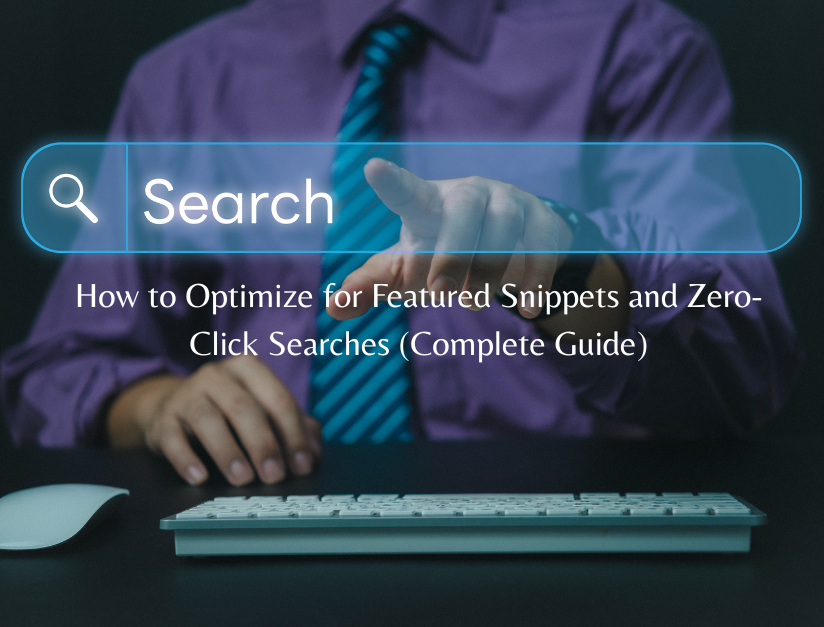
Search results have changed dramatically. Today, many users get their answers directly on Google without clicking any website. These are called zero-click searches, and they usually appear as featured snippets, AI summaries, knowledge boxes, or FAQs.
If you want visibility in 2026 and beyond, you must optimize your content for featured snippets and zero-click searches—not just traditional rankings.
This guide explains what they are, why they matter, and exactly how to optimize for them, step by step.
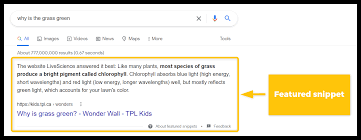
What Are Featured Snippets?
Featured snippets are highlighted answers that appear at the top of Google search results (Position #0). They provide quick answers to user queries.
Common types of featured snippets:
- Paragraph snippets (definitions or explanations)
- List snippets (steps, tips, or rankings)
- Table snippets (comparisons, prices, data)
- Video snippets (how-to or tutorials)
Example:
Search → “How to optimize for featured snippets”
Google shows a short, clear answer from a website before all other results.

What Are Zero-Click Searches?
A zero-click search happens when users get their answer directly from Google and don’t click any website.
These include:
- Featured snippets
- People Also Ask (PAA)
- Knowledge panels
- AI-generated summaries
- Local packs (maps)
While clicks may reduce, brand visibility and authority increase.
Why Featured Snippets & Zero-Click Searches Matter
Even without clicks, they offer major benefits:
- Maximum visibility on Google
- Brand authority and trust
- Higher chances of voice search results
- Increased branded searches later
- Better click-through rates for competitive keywords
In many cases, owning the snippet is more valuable than ranking #1.
Step-by-Step: How to Optimize for Featured Snippets
1. Target Question-Based Keywords
Featured snippets mostly appear for questions.
Focus on keywords like:
- What is…
- How to…
- Why does…
- Benefits of…
- Best way to…
👉 Use tools or Google’s People Also Ask section to find real questions.
2. Answer the Question Immediately (40–60 Words)
Google prefers short, direct answers.
Best practice:
- Place the answer immediately after the heading
- Keep it clear and factual
- Ideal length: 40–60 words
Example:
What is zero-click search?
A zero-click search is a search query where users get their answer directly on the search results page without clicking any website link.
3. Use Proper Heading Structure (H2, H3)
Correct structure helps Google understand your content.
Use:
- H2 for main questions
- H3 for sub-questions
- One clear topic per heading
Avoid long paragraphs under one heading.
4. Use Lists and Bullet Points
Google loves structured content.
Use:
- Numbered lists for steps or processes
- Bullet points for features or benefits
Example:
Steps to optimize for featured snippets:
- Find question-based keywords
- Write short, direct answers
- Use clean formatting
- Add schema markup
This format is snippet-friendly.
5. Add Tables for Comparisons
If your topic involves:
- Pricing
- Features
- Comparisons
- Statistics
👉 Use simple HTML tables.
Google often pulls tables directly into featured snippets.
6. Optimize for “People Also Ask” (PAA)
PAA boxes are a goldmine for zero-click visibility.
How to optimize:
- Add FAQ sections in blogs
- Answer related questions clearly
- Use conversational language
Each FAQ answer = another snippet opportunity.
7. Improve Content Clarity & Readability
Google prefers content that is:
- Easy to scan
- Simple language
- Short paragraphs
- Clear sentence structure
Avoid fluff. Be direct.
8. Use Schema Markup (Structured Data)
Schema helps Google understand your content better.
Important schema types:
- FAQ schema
- How-To schema
- Article schema
While schema doesn’t guarantee snippets, it increases eligibility.
9. Update Existing Content (Quick Wins)
Many featured snippets come from old ranking pages.
Action steps:
- Find pages ranking in top 5–10
- Add direct answers near the top
- Improve formatting
- Add FAQs
This is one of the fastest ways to win snippets.
10. Optimize for Voice Search Too
Voice assistants read featured snippets.
To optimize:
- Write conversational content
- Use natural language
- Answer in one clear paragraph
If your content wins snippets, it often wins voice search results too.
Best Content Types for Featured Snippets
These formats work best:
- How-to guides
- Definitions
- Comparison articles
- Listicles
- FAQs
- Step-by-step tutorials
Long-form content with clear sections performs best.
Common Mistakes to Avoid
❌ Long, confusing answers
❌ Keyword stuffing
❌ Poor formatting
❌ No clear headings
❌ Ignoring FAQs
❌ Overly promotional content
Remember: snippets reward clarity, not marketing copy.
Final Thoughts
Optimizing for featured snippets and zero-click searches is no longer optional. In 2026, SEO success means owning visibility, not just clicks.
To win:
- Focus on user questions
- Answer clearly and quickly
- Structure content properly
- Update existing pages
- Think visibility first, traffic second
When done right, featured snippets position your brand as an authority, even before users click.
FAQs: Featured Snippets & Zero-Click Searches
1) What is a featured snippet in SEO?
A featured snippet is a highlighted answer shown at the top of Google results (Position #0) that directly answers a user’s query using content pulled from a webpage.
2) What are zero-click searches?
Zero-click searches happen when users get the answer directly on the search results page (snippets, PAA, knowledge panels, AI answers) without clicking any website.
3) How do I optimize content for featured snippets?
Use question-based headings, give a direct 40–60 word answer right below the heading, add bullet/numbered lists, keep formatting clean, and cover related questions.
4) What is the ideal length for a featured snippet answer?
Most snippet answers perform best when they are short and direct—usually around 40–60 words for paragraph snippets.
5) Which content formats win featured snippets most often?
“How-to” guides, step-by-step lists, definitions, comparisons, tables, and FAQ sections are the most snippet-friendly formats.
6) How do I target People Also Ask (PAA) questions?
Add an FAQ section to your blog, use question headings from PAA, and answer each question clearly in 2–4 lines with simple language.
7) Do I need schema markup to rank for featured snippets?
Schema is not required to win a snippet, but it helps search engines understand your content and improves eligibility for rich results like FAQs and how-to displays.
8) How can I win snippets from existing pages?
Update pages already ranking in the top 10: add direct answers near the top, improve headings, insert lists/tables, add FAQs, and refresh outdated sections.
9) Are featured snippets good even if they reduce clicks?
Yes—snippets increase visibility, trust, and brand authority. They also improve the chance of voice search visibility and can increase branded searches over time.
10) What are common mistakes when optimizing for zero-click searches?
Long answers, poor structure, keyword stuffing, missing FAQs, weak readability, and not answering the query directly are the biggest mistakes.