AI Overviews and zero-click results are now a big part of Google search. Many users get answers directly on the results page, so rankings are no longer only about “getting clicks.” In 2026, winning search means: visibility + trust + being cited/used as the source.
Below is a complete, practical guide to help your pages appear in AI Overviews, featured snippets, People Also Ask, and other zero-click features.
1) Understand What You’re Trying to Win
AI Overviews
AI Overviews are AI-generated summaries shown on the SERP for many queries. Google often shows “sources” (links) inside the overview. Your goal is to become one of those sources.
Zero-Click Results
Zero-click results include:
- Featured Snippets (Position #0)
- People Also Ask (PAA)
- Knowledge Panels
- Local Pack (Google Maps)
- AI answers / instant answers
- “Things to know” and other SERP modules
Key point: AI Overviews often pull from the same pages that already perform well in snippets/PAA and have strong topical authority.
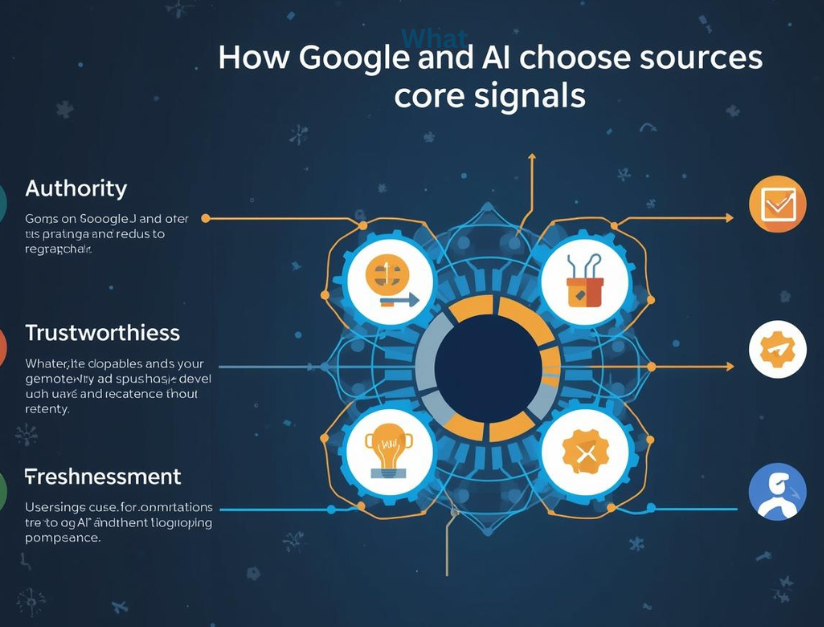
2) How Google/AI Chooses Sources (Core Signals)]
Google typically chooses sources that:
- Answer the question clearly
- Show trust + authority (E-E-A-T)
- Have strong topic coverage (topical authority)
- Are easy to extract (structured content)
- Are fresh and accurate
- Have a good page experience (speed, mobile, clean UX)
You don’t “opt-in” to AI Overviews. You become eligible by being the best source.
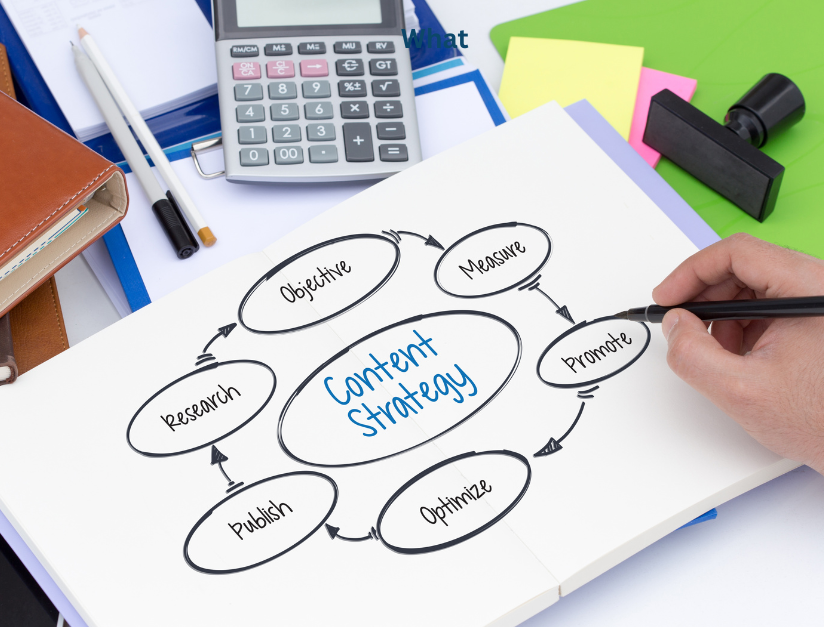
3) Content Strategy That Works in 2026
A) Target the right query types
AI Overviews show most for:
- Informational searches (“what is…”, “how to…”)
- Comparisons (“A vs B”, “best tools for…”, “which is better…?”)
- Lists (“top”, “steps”, “checklist”)
- Definitions and quick explanations
Avoid only focusing on short keywords. Use long-tail question keywords and problem-based searches.
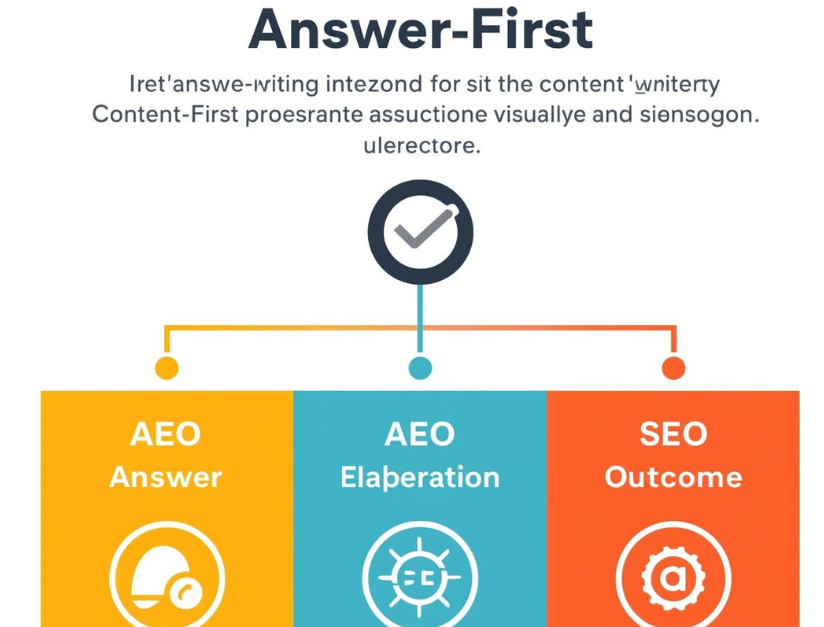
B) Use the “Answer-First” structure (AEO + SEO)
This is the biggest win for AI/zero-click.
Best pattern:
- H1 = Main topic
- Direct answer in 2–4 lines (40–70 words)
- H2 sections that answer related questions
- Lists/steps/tables where possible
- FAQs at the end (short answers)
AI needs clean blocks it can quote.
C) Make your content “extractable”
Write in a way that machines can easily use:
✅ Do:
- Short paragraphs (2–4 lines)
- Simple sentences
- Definitions
- Bullet points
- Numbered steps
- Tables for comparisons
❌ Avoid:
- Long story paragraphs before answering
- Filler content
- Over-marketing (too many claims, no proof)
4) Win Featured Snippets and PAA (They Feed AI Overviews)
Featured Snippet optimization
- Put the question in an H2 (exact or close)
- Give a direct answer immediately
- Keep it accurate and clear
- Use steps/lists for “how-to” topics
People Also Ask optimization
- Add an FAQ section
- Use real questions from PAA
- Answer each in 2–4 lines
- Internally link to deeper pages
If your page starts winning snippets/PAA, it becomes a stronger candidate for AI citations.

5) Build Topical Authority (Most Important in 2026)
AI prefers websites that cover a topic fully, not just one article.
Topic Cluster Strategy
Create:
- 1 Pillar page (complete guide)
- 6–12 support pages (subtopics)
- Internal linking between them
Example cluster for your topic:
- “AI Overviews explained”
- “Featured snippets optimization”
- “PAA strategy”
- “Schema for AEO”
- “E-E-A-T for AI SEO”
- “Zero-click conversion strategies”
This tells Google: your site is a trusted hub.
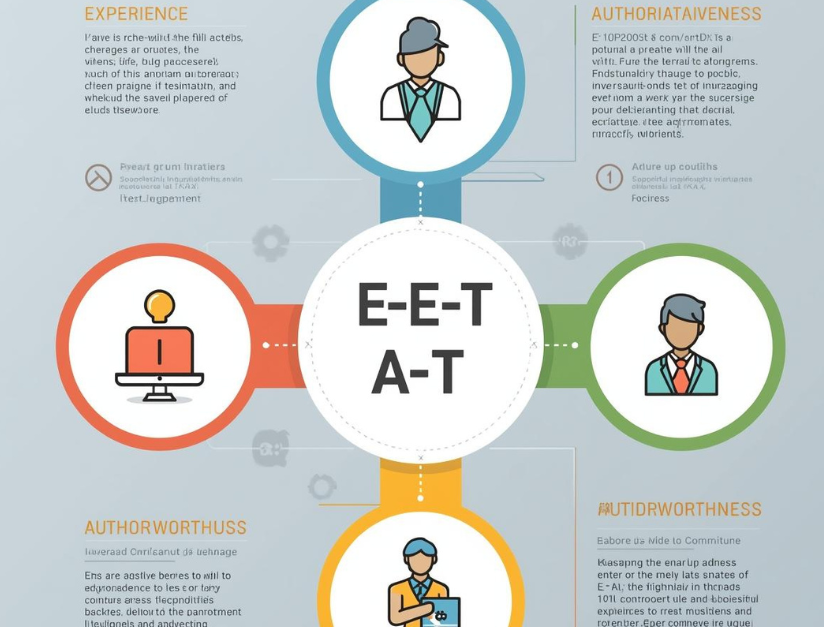
6) Strengthen E-E-A-T (Trust is a Ranking Weapon)
AI summaries and Google trust credible sources.
Add trust signals on your site:
- Author name + bio
- About page (clear business story)
- Contact page (real details)
- Privacy policy + terms
- Case studies / portfolio
- Reviews / testimonials
- Real photos (office/team if possible)
In content, show real experience:
- Screenshots
- Step-by-step process
- Results
- Examples from projects
For service pages, include proof like:
- Work samples
- Client results
- Certifications
- Industry expertise
7) Use Structured Data (Schema Markup)
Schema won’t “force” AI to cite you, but it helps the machine understand your page clearly and can also win rich results.
Use these:
- FAQ schema (for Q&A blocks)
- HowTo schema (for step-by-step)
- Article schema (blogs)
- Organization / LocalBusiness schema (brand trust + local)
Schema improves eligibility for SERP features and helps machine readability.
8) Improve Page Experience (Speed + UX)
AI might cite pages even if UX isn’t perfect, but fast + clean pages win more consistently.
Focus on:
- Mobile speed
- Clean layout
- No intrusive popups
- Easy navigation
- Good Core Web Vitals (LCP, INP, CLS)
If your site is slow, users bounce, and trust signals weaken.
9) Update Content Regularly (Freshness Helps AI)
AI answers change quickly. Updated content has a higher chance to be used.
Best practice:
- Add “Last updated: 2026”
- Refresh tools, steps, screenshots
- Add new FAQs
- Remove outdated information
For competitive topics, update every 1–3 months.
10) Build Brand Mentions and Real Authority Off-Site
AI is more confident citing brands that are mentioned elsewhere.
How to build authority:
- Guest posts on real websites
- Local PR mentions
- Partnerships (vendors, clients)
- Listing profiles (relevant directories)
- LinkedIn + YouTube content (build trust)
- Reviews on Google and niche platforms
More brand searches + mentions = stronger authority signals.
11) Convert Even When Clicks Drop (Zero-Click Strategy)
Zero-click doesn’t mean zero business. You need brand hooks:
Add:
- Strong, recognizable brand name in content naturally
- A “next step” CTA (audit, checklist, consultation)
- Downloadable template (PDF checklist)
- Short “how we can help” section
Goal: even if users don’t click now, they remember your brand and search you later.
12) Quick Checklist (Do This for Every Page)
✅ Question-based H2s
✅ Answer-first summary (40–70 words)
✅ Lists/steps/tables included
✅ Internal links to supporting pages
✅ E-E-A-T (author, proof, trust pages)
✅ FAQ section (PAA style)
✅ Schema (FAQ/HowTo/Article)
✅ Updated content + date
✅ Fast and mobile-friendly
✅ Earn a few quality backlinks/mentions
Final Summary
To rank in AI Overviews and zero-click results, you must:
- Answer better and faster than competitors
- Structure content for machines (AEO style)
- Build topical authority with clusters
- Improve trust (E-E-A-T + proof)
- Use schema + clean UX
- Keep content updated and credible

FAQS
What are AI Overviews in Google search?
AI Overviews are AI-generated summaries shown on the search results page. They answer the query quickly and often include links to sources used to create the summary.
2) What are zero-click results?
Zero-click results are search results where users get the answer directly on Google (snippets, PAA, knowledge panels, maps, AI answers) and don’t click any website.
3) How can I rank in AI Overviews?
To rank in AI Overviews, create answer-first content, use clear headings, provide short direct responses, add lists/tables, strengthen E-E-A-T, and build topical authority with internal linking.
4) Which keywords trigger AI Overviews most often?
AI Overviews commonly appear for question-based and informational searches like “what is,” “how to,” “best,” “vs,” “benefits,” and “cost.”
5) How do I optimize content for zero-click searches?
Use question-style headings, give concise answers (40–70 words), include FAQs, win featured snippets and PAA, and add structured formatting like bullets and steps.
6) Does winning featured snippets help with AI Overviews?
Yes. Pages that win featured snippets and People Also Ask often have a higher chance of being referenced in AI Overviews because they already provide clear, extractable answers.
7) What is “answer-first” content structure?
Answer-first structure means you provide the main answer immediately after the heading, then explain details in short sections using H2/H3, lists, and examples.
8) How important is E-E-A-T for AI visibility?
E-E-A-T is very important in 2026. AI and Google prefer trustworthy sources with real experience, expert content, strong brand authority, and clear trust signals.
9) Does schema markup help with AI Overviews and zero-click results?
Schema helps search engines understand your content better and can improve eligibility for rich results like FAQs and HowTo. It supports visibility even if it doesn’t guarantee AI Overview inclusion.
10) How can I get business results if clicks reduce due to AI answers?
Focus on visibility and brand recall, add strong CTAs, offer checklists/templates, build reviews and authority, and optimize service pages so users convert when they do click.