Search engine optimization is changing faster than ever. What worked a few years ago is no longer enough to compete in search results today. Search engines are becoming smarter, user behavior is evolving, and technologies like artificial intelligence are transforming how information is discovered online.
Because of these changes, SEO professionals need to go beyond traditional tactics like simple keyword optimization or backlink building. Modern SEO requires a combination of technical knowledge, strategic thinking, content understanding, and data analysis.
To stay competitive in 2026, SEO specialists must develop a balanced set of skills that help websites perform well not only in search engines but also for real users.
Let’s explore the most important SEO skills and strategies every SEO professional should focus on.
Understanding Search Intent
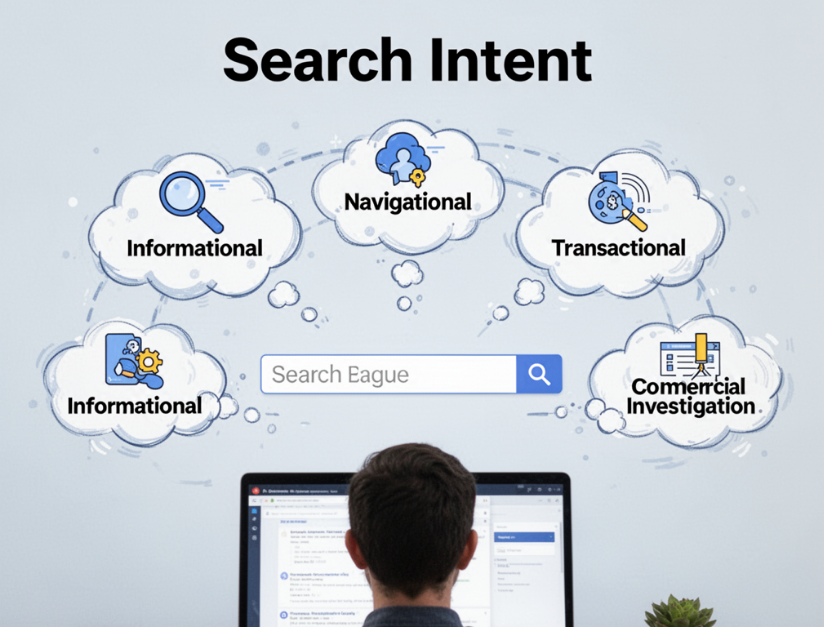
One of the most important skills in modern SEO is understanding search intent. Search engines now prioritize results that match the user’s intention rather than just matching keywords.
There are generally four types of search intent:
- Informational searches
- Navigational searches
- Transactional searches
- Commercial investigation searches
SEO professionals must learn how to identify the real purpose behind a search query and create content that directly answers the user’s needs. When content satisfies user intent, it naturally performs better in rankings.

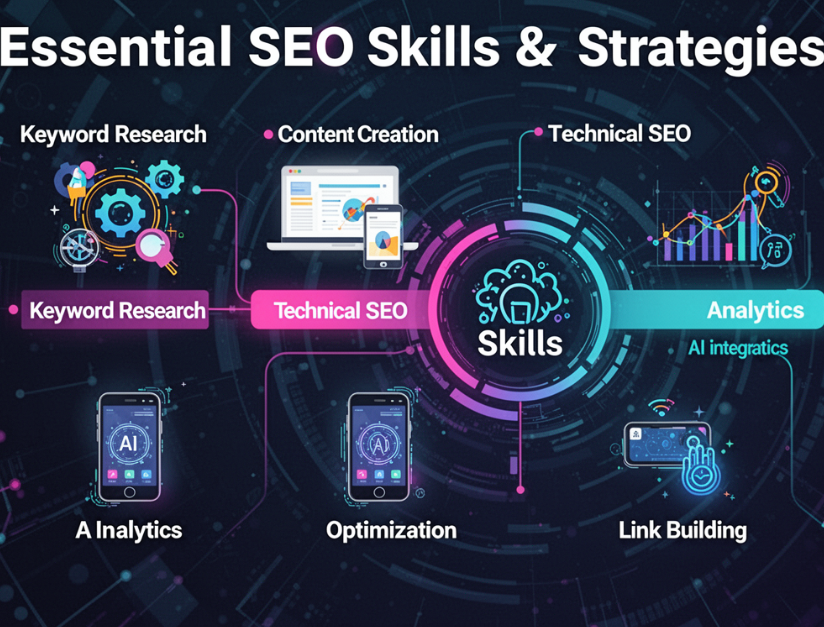
Keyword Research and Topic Strategy
Keyword research is still a core part of SEO, but the approach has evolved. Instead of targeting only individual keywords, modern SEO focuses on topics and keyword clusters.
SEO professionals should understand how to:
- Identify primary and secondary keywords
- Build topic clusters around a central theme
- Target long-tail keywords with lower competition
- Analyze keyword difficulty and search trends
This strategy helps search engines understand the authority of a website on a particular topic.
Technical SEO Knowledge
Technical SEO is becoming increasingly important as search engines rely heavily on website performance and structure.
Every SEO professional should have a strong understanding of:
- Website crawling and indexing
- XML sitemaps
- Robots.txt configuration
- Structured data and schema markup
- Website architecture
- Mobile friendliness
Technical issues can prevent a website from ranking even if the content is strong. Understanding these factors helps ensure that search engines can properly access and understand a website.
Content Optimization and Quality
Content remains one of the strongest ranking factors in search engines. However, quality standards have increased significantly.
SEO professionals must focus on creating content that is:
- Informative and helpful
- Well structured with headings
- Easy to read and understand
- Written for users rather than algorithms
Search engines reward content that demonstrates expertise and provides real value to readers.
Understanding AI and Search Evolution
Artificial intelligence is now influencing how search engines interpret content and deliver results.
SEO professionals should understand how AI affects:
- Search algorithms
- Content recommendations
- voice search results
- personalized search experiences
Instead of fighting AI tools, modern SEO experts learn how to use them to improve research, content planning, and performance analysis.
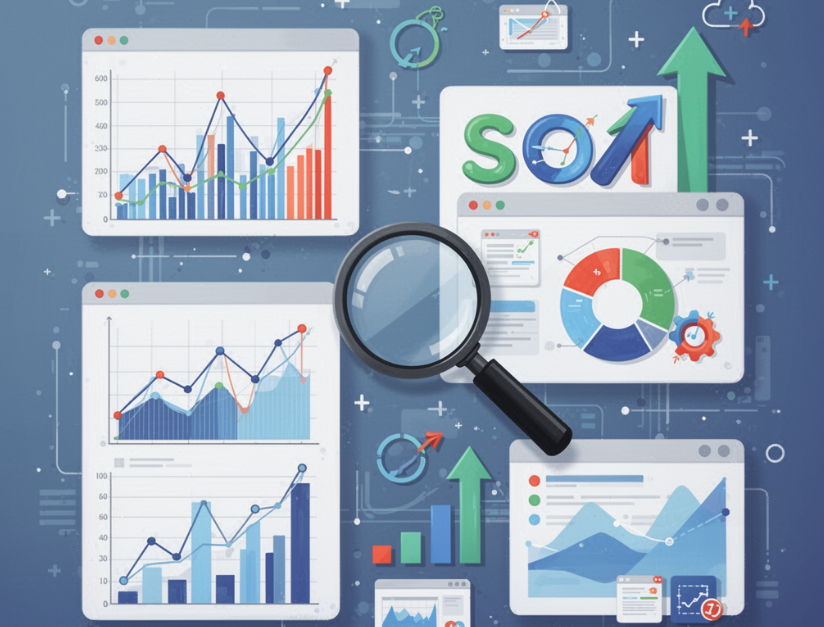
Data Analysis and SEO Tools
Successful SEO decisions are based on data rather than guesswork. Professionals must be comfortable analyzing performance metrics and identifying opportunities for improvement.
Important tools used by SEO professionals include:
- Google Search Console
- Google Analytics
- keyword research tools
- site auditing tools
By studying traffic patterns, keyword rankings, and user behavior, SEO specialists can make informed optimization decisions.
Link Building and Digital Authority
Backlinks continue to play a major role in search engine rankings. However, modern link building focuses on quality rather than quantity.
SEO professionals should focus on strategies like:
- guest blogging
- digital PR
- high-quality content promotion
- partnerships with relevant websites
Building trustworthy links helps search engines view a website as an authoritative source.
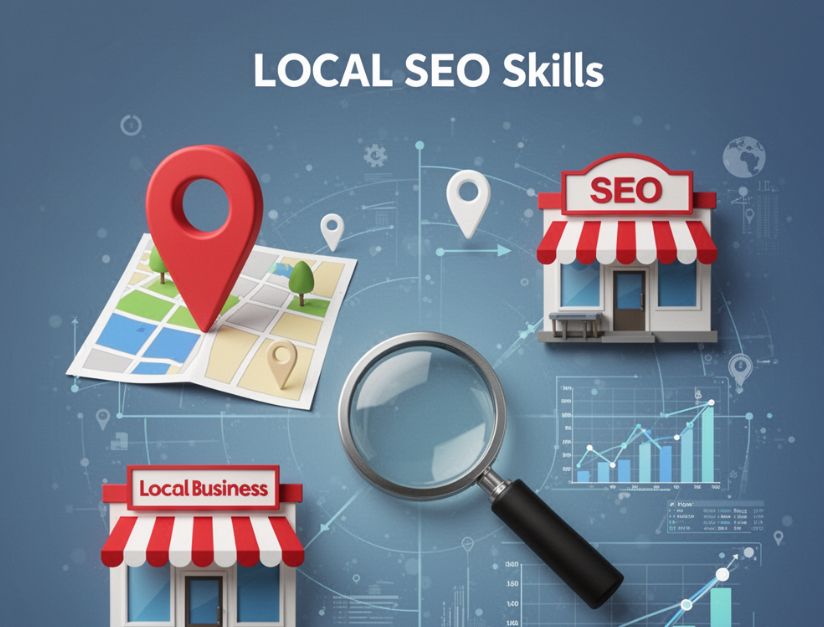
Local SEO Skills
For businesses that rely on local customers, local SEO is extremely important.
SEO professionals should know how to optimize:
- business listings
- local keywords
- location pages
- customer reviews
Local optimization helps businesses appear in local search results and map listings.
User Experience and Website Performance
Search engines increasingly prioritize websites that provide a good user experience.
Important factors include:
- fast loading speed
- mobile optimization
- easy navigation
- clear page structure
SEO professionals must collaborate with developers and designers to ensure that websites provide a smooth experience for visitors.

Continuous Learning and Adaptability
SEO is not a static field. Search engines update their algorithms regularly, and new technologies constantly reshape the digital landscape.
Successful SEO professionals stay updated by:
- following industry news
- experimenting with new strategies
- analyzing search trends
- learning new tools and technologies
Adaptability is one of the most valuable skills for long-term success in SEO.
Final Thoughts
SEO in 2026 requires a combination of strategy, technical knowledge, creativity, and data analysis. Professionals who focus only on outdated techniques may struggle to keep up with evolving search algorithms.
By mastering skills like search intent analysis, technical SEO, content optimization, and data interpretation, SEO professionals can create strategies that deliver long-term results.
The future of SEO belongs to professionals who focus not only on rankings but also on creating meaningful experiences for users.
FAQS
Important SEO skills include keyword research, technical SEO, content optimization, data analysis, link building, and understanding search intent.
Yes, technical SEO ensures that search engines can properly crawl and index a website, which is essential for ranking.
Search intent helps search engines deliver the most relevant results to users, so understanding intent improves content performance.
Yes, backlinks remain a strong ranking factor, especially when they come from trustworthy and relevant websites.
Yes, beginners can learn SEO by studying search engine fundamentals, practicing optimization techniques, and staying updated with industry trends.