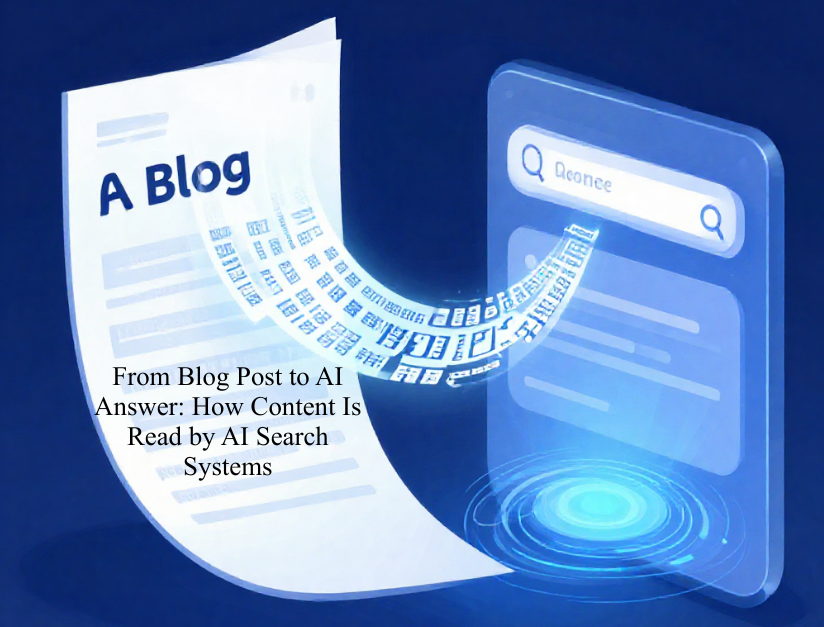
Search is no longer just about ranking web pages.
Today, AI search systems don’t browse content the way humans do — they extract answers from it.
If your blog is written only for traditional SEO, it may rank but never appear as an AI-generated answer.
This article explains how AI search systems read content, what they look for, and how a simple blog post becomes a trusted AI answer.

How AI Search Systems Read Content (Not Like Humans)
Humans read blogs line by line.
AI does not.
AI search systems:
- Scan content non-linearly
- Break pages into meaningful information blocks
- Look for clear answers, not storytelling
- Evaluate context, clarity, and trust signals
Instead of asking “Is this page optimized?”, AI asks:
“Can I confidently use this content to answer a user’s question?”
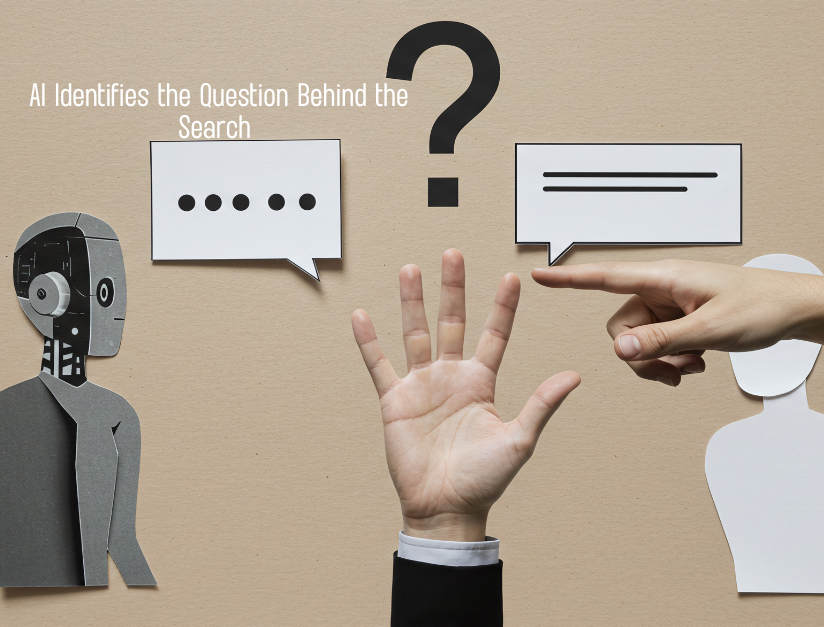
Step 1: AI Identifies the Question Behind the Search
Before reading your content, AI determines:
- What is the real question behind the query?
- Is the user looking for:
- A definition?
- A process?
- A comparison?
- A solution?
If your blog does not clearly match a specific question, AI ignores it — even if it ranks well.
🔑 Key Insight:
Every AI-visible blog answers one main question clearly.
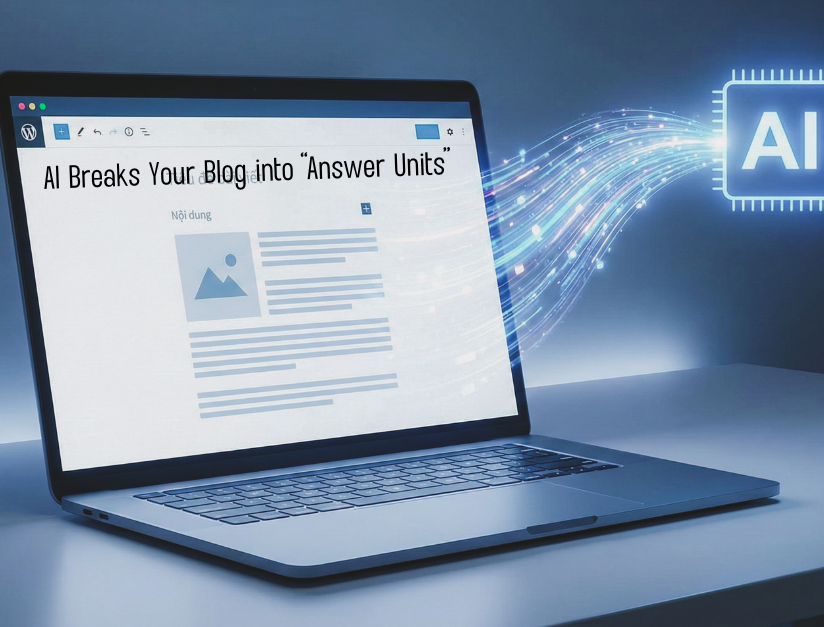
Step 2: AI Breaks Your Blog into “Answer Units”
AI does not treat your blog as one piece.
It splits content into:
- Headings
- Short paragraphs
- Bullet lists
- Step-by-step sections
- FAQ blocks
Each section is evaluated independently.
If a paragraph:
- Is too long
- Is vague
- Mixes multiple ideas
👉 It becomes unusable as an AI answer.
🔑 Tip:
One paragraph = one clear idea or answer.
Step 3: AI Looks for Direct, Declarative Answers
AI prefers content that:
- States answers early
- Uses simple, confident language
- Avoids unnecessary filler
❌ Weak for AI:
“There are many opinions when it comes to how content works in AI search…”
✅ Strong for AI:
“AI search systems read content by extracting clear, structured answers rather than scanning full pages.”
🔑 Rule:
If your answer can’t stand alone, AI won’t use it.

Step 4: Context Signals Decide Whether AI Trusts You
AI checks context, not just keywords.
It looks for:
- Topic consistency across the page
- Logical flow between sections
- Supporting explanations after answers
- Alignment with related content on your website
If your blog jumps between topics or over-optimizes keywords, AI loses confidence.
🔑 Consistency > Keyword density

Step 5: Structure Becomes More Important Than Length
Long blogs are not a problem.
Unstructured blogs are.
AI favors:
- Clear H2 and H3 headings
- Lists and numbered steps
- FAQ sections
- Simple language
- Predictable formatting
Your content should look like it was designed to explain, not impress.
Step 6: Trust Signals Matter More Than Rankings
AI evaluates:
- Is the content accurate?
- Does the site show expertise?
- Is the explanation neutral and helpful?
- Is the topic aligned with the website’s services or niche?
A blog about SEO written on an SEO agency website has higher trust probability than the same blog on a random site.
🔑 Authority context matters.
Why Most Blogs Fail to Become AI Answers
Most blogs:
- Are written only for keywords
- Bury answers deep inside paragraphs
- Focus on word count instead of clarity
- Ignore FAQs and structured explanations
- Sound promotional instead of helpful
As a result, AI reads them — but does not quote them.
How to Turn a Blog Post into an AI Answer Source
To make your content AI-readable:
- Start with a clear main question
- Answer it directly within the first 2–3 lines
- Break content into logical sections
- Use short, meaningful paragraphs
- Add FAQs based on real user queries
- Keep explanations simple and factual
- Maintain topical focus throughout the page
Final Thought
AI search doesn’t reward the longest content.
It rewards the clearest answers.
If your blog helps AI explain something confidently to users, you don’t just rank — you get referenced.
That’s the future of SEO.
And that’s where smart content strategy begins.

AI search systems are platforms that use artificial intelligence to understand questions, analyze content, and generate direct answers instead of showing only traditional search results.
AI search systems scan content in sections, identify clear answers, evaluate structure, and extract reliable information blocks rather than reading full articles line by line.
Because ranking alone is not enough—AI selects content that provides clear, structured, and trustworthy answers to specific user questions.
Content with direct answers, short paragraphs, clear headings, lists, and FAQ sections performs best for AI-generated responses.
Yes, but context and clarity matter more than keyword repetition. AI focuses on understanding intent rather than counting keywords.
A blog becomes an AI answer source by clearly answering one main question, using structured formatting, and maintaining topic relevance and trust signals.
Yes, FAQs help AI identify precise answers and increase the chances of content being used in featured snippets and AI-generated responses.