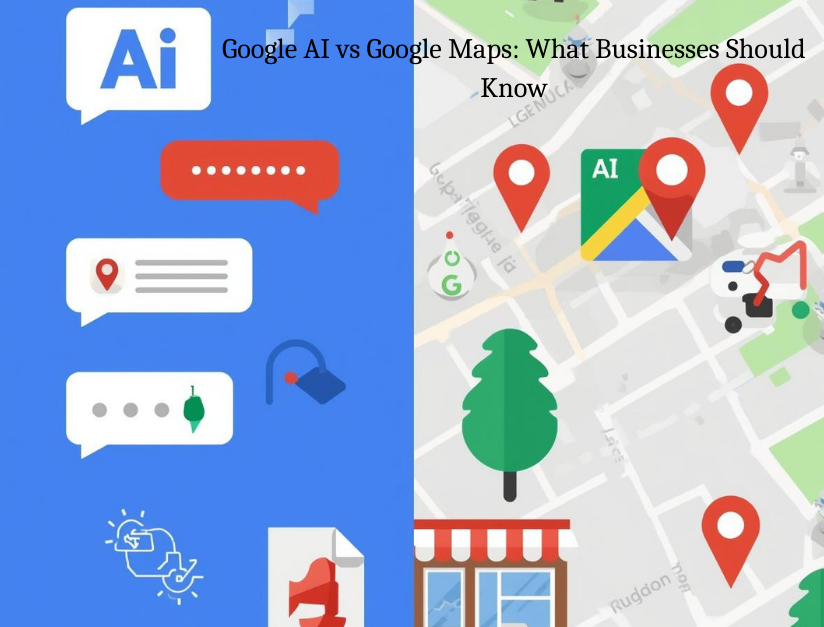
In 2026, business visibility on Google is no longer limited to traditional search rankings. With AI-powered search results and evolving local discovery systems, businesses now compete in two distinct but interconnected environments: Google AI search experiences and Google Maps local results.
Understanding the difference between these two visibility channels is critical for service providers, local brands and digital agencies such as Mag Cloud Solutions.
This guide explains how Google AI search differs from Google Maps, how each impacts your business, and what strategies you must adopt in 2026.
What is Google AI search?
Google AI search refers to AI-generated summaries and answer-based results that appear at the top of search pages. Instead of simply showing links, Google now:
- generates structured answers,
- summarises information from multiple sources,
- and cites selected websites.
These AI Overviews often appear for informational and commercial-intent queries such as:
- “best digital marketing agency for small business”
- “how SEO services work”
- “top real estate marketing strategies”
In these cases, Google’s AI system attempts to explain the topic before showing traditional search results.
What is Google Maps visibility?
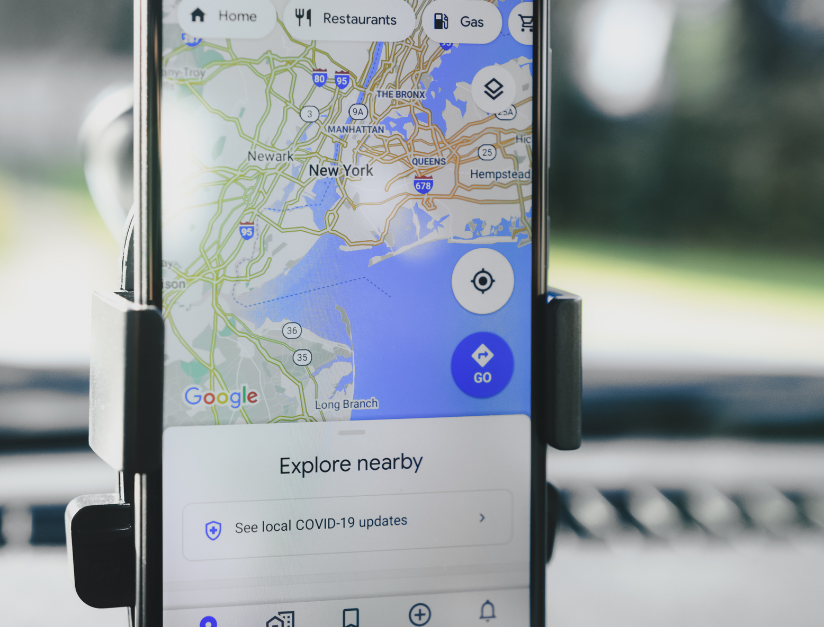
Google Maps focuses on local intent and physical proximity.
When users search:
- “digital marketing agency near me”
- “SEO company in Hyderabad”
- “dentist near me”
Google prioritises Google Business Profiles, reviews, ratings, business categories and location signals.
Google Maps results depend heavily on:
- proximity,
- local relevance,
- and business profile optimisation.
The key difference: explanation vs proximity
The core difference between Google AI search and Google Maps is purpose.
Google AI search is built to explain and recommend based on informational trust.
Google Maps is built to connect users with nearby businesses based on local relevance.
AI search evaluates:
- clarity of content,
- topic authority,
- structured explanations,
- and credibility signals.
Google Maps evaluates:
- location accuracy,
- review quality,
- business category alignment,
- and profile completeness.
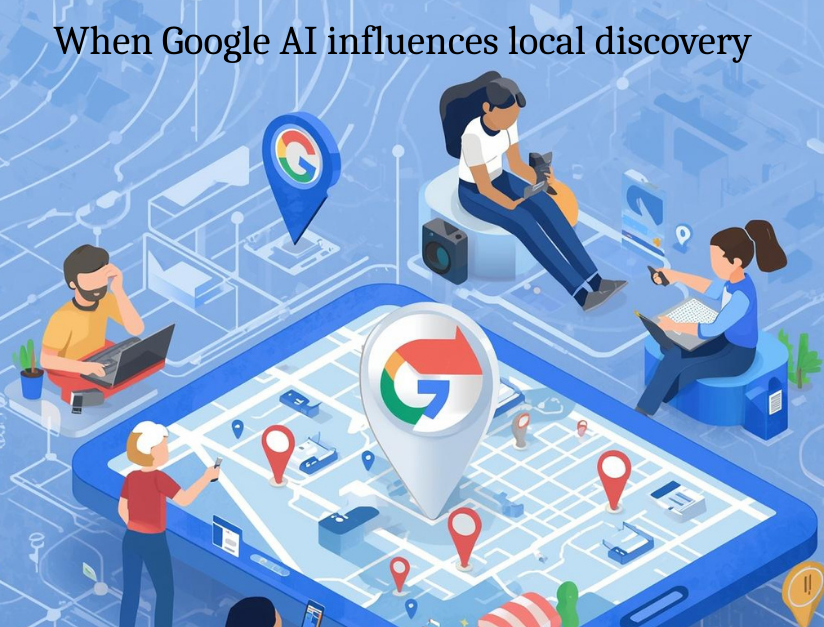
When Google AI influences local discovery
In 2026, these systems are no longer completely separate.
For certain queries, Google AI may:
- summarise local options,
- explain service differences,
- and then reference Maps listings.
For example, when someone searches:
“best SEO agency for real estate in Hyderabad”
Google AI may first explain what to look for in an SEO agency and then show relevant local businesses.
This means your website content and your Google Business Profile must work together.
Why ranking in Maps is not enough anymore
Previously, local businesses could rely primarily on Maps visibility.
However, AI-driven search now:
- answers user questions before showing listings,
- influences decision-making before users click,
- and sets evaluation criteria within the AI summary.
If your business is not represented in high-quality explanatory content, users may form preferences before even reaching Maps results.
Why website authority matters more in AI search
Google AI evaluates whether your website demonstrates:
- consistent topic coverage,
- structured service explanations,
- and credible expertise.
If your website clearly explains:
- what services you provide,
- how your process works,
- and who your services are for,
you increase the chances of being referenced or influencing AI-generated summaries.
Google Maps alone cannot provide that depth of information.
Reviews vs content: different trust signals
Google Maps trust is largely built on:
- star ratings,
- review count,
- and recency of feedback.
Google AI trust is built on:
- content clarity,
- informational value,
- and topic consistency.
A business with strong reviews but weak website content may rank well in Maps but remain invisible in AI-generated explanations.
Conversely, strong website authority without local optimisation may result in AI visibility but weak proximity-based discovery.
Both systems require separate optimisation approaches.

How businesses should adapt in 2026
To compete effectively in both Google AI and Google Maps, businesses should:
- optimise their Google Business Profile completely,
- maintain accurate NAP (Name, Address, Phone) details,
- encourage consistent and authentic customer reviews,
- publish structured, answer-focused content on their website,
- build internal topic clusters to demonstrate expertise,
- and keep service pages updated and clear.
This dual strategy ensures your business is visible both when users search for explanations and when they search for nearby providers.
The new visibility model: hybrid optimization
In 2026, business visibility is no longer about choosing between SEO and local optimisation.
It requires hybrid optimisation:
- AI-ready website content for informational trust.
- Google Maps optimisation for local discovery.
Businesses that focus only on local signals may miss AI visibility opportunities.
Businesses that focus only on website content may miss proximity-driven leads.
The most competitive brands integrate both.
Why this matters for service-based companies
Service providers operate in a decision-based search environment.
Before choosing a business, users now:
- read AI summaries,
- compare service features,
- evaluate credibility signals,
- and then check Maps reviews.
This multi-layered decision process means your online presence must support:
- informational clarity,
- local trust,
- and structured authority.
Ignoring either Google AI search or Google Maps can weaken your overall digital performance.
Final takeaway
Google AI search and Google Maps serve different but complementary roles in modern business visibility.
AI search influences understanding and trust.
Google Maps influences local action and selection.
Businesses that want sustainable visibility in 2026 must optimise for both systems simultaneously.
In today’s search environment, being discoverable is not enough.
You must also be explainable and locally credible.
FAQS
Google AI search provides AI-generated summaries and explanations based on website content, while Google Maps focuses on local business listings based on proximity, reviews and business profile optimisation.
Yes. A business can rank well in Maps due to strong local signals but may not appear in AI search results if its website lacks structured, informative and authoritative content.
Website content supports local SEO indirectly, but Google Maps rankings rely more on Google Business Profile optimisation, reviews, proximity and local relevance.
Businesses should publish answer-focused content, use clear heading structures, maintain topical authority and ensure technical clarity so AI systems can extract and trust their information.
Businesses should complete their Google Business Profile, maintain accurate contact details, gather authentic reviews and update business information regularly.
Both are important. Google AI influences user understanding and trust, while Google Maps drives local discovery and conversions.
Reviews primarily affect Google Maps rankings, but strong brand reputation and credibility can indirectly support AI trust signals.
Yes. Even local businesses benefit from AI-optimised website content because users often read AI summaries before checking Maps listings.