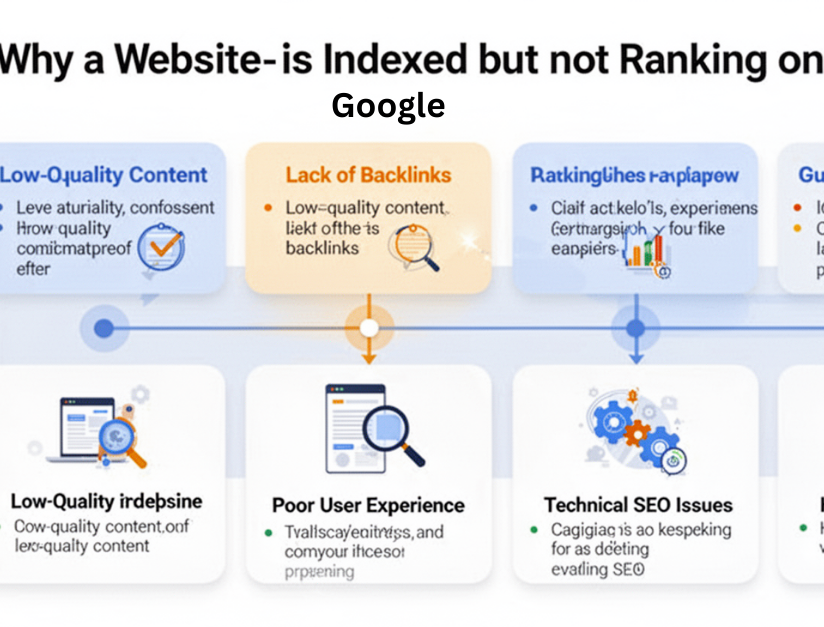
Many website owners feel confused when they see their pages are indexed but still not ranking on Google. You may check Google Search Console and see that your pages are successfully indexed, yet they receive no impressions, no clicks, and no traffic. This situation is very common, especially after the recent AI-driven changes introduced by Google, where ranking depends on much deeper quality and trust signals.
For businesses and agencies like Mag Cloud Solutions, understanding this difference between indexing and ranking is critical to achieving visibility and growth.
This guide explains the real reasons why indexed pages fail to rank and what you can do to fix it.
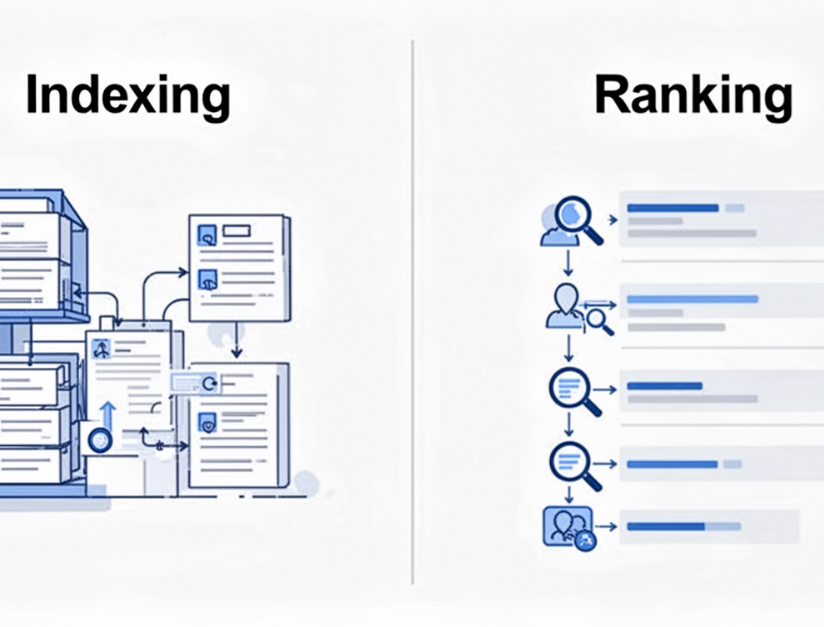
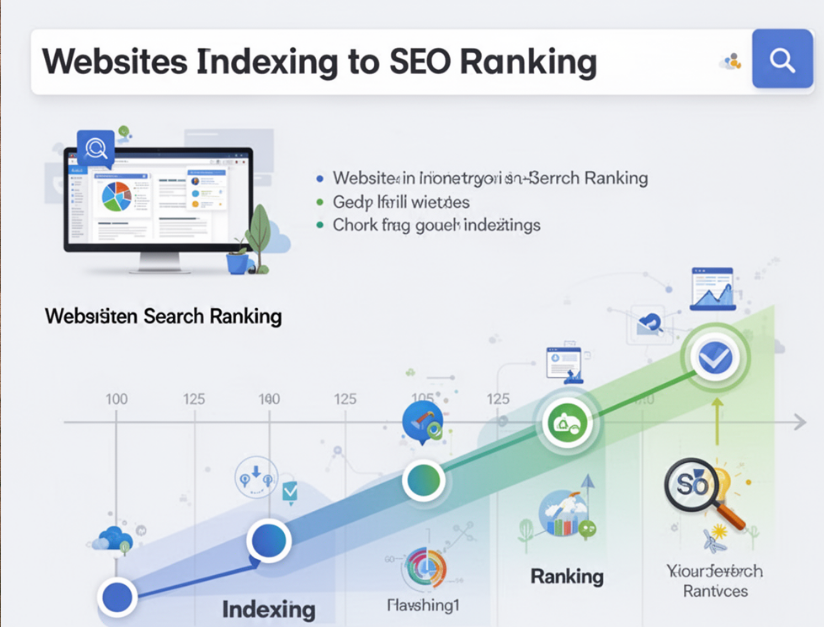
First, understand the difference: Indexing vs Ranking
Indexing means Google has discovered your page and stored it in its database.
Ranking means Google has decided to show your page in search results for relevant queries.
Just because your page is indexed does not mean Google will show it. Google only ranks pages that it believes are useful, relevant, and trustworthy.
Main reasons why your indexed website is not ranking
1. Your content does not match search intent
Search intent is the real reason behind a user’s query.
For example, if someone searches:
“On-page SEO checklist”
Google expects a clear checklist.
If your page contains general information instead of a checklist, Google may index it but not rank it.
Google prioritises pages that match intent precisely.
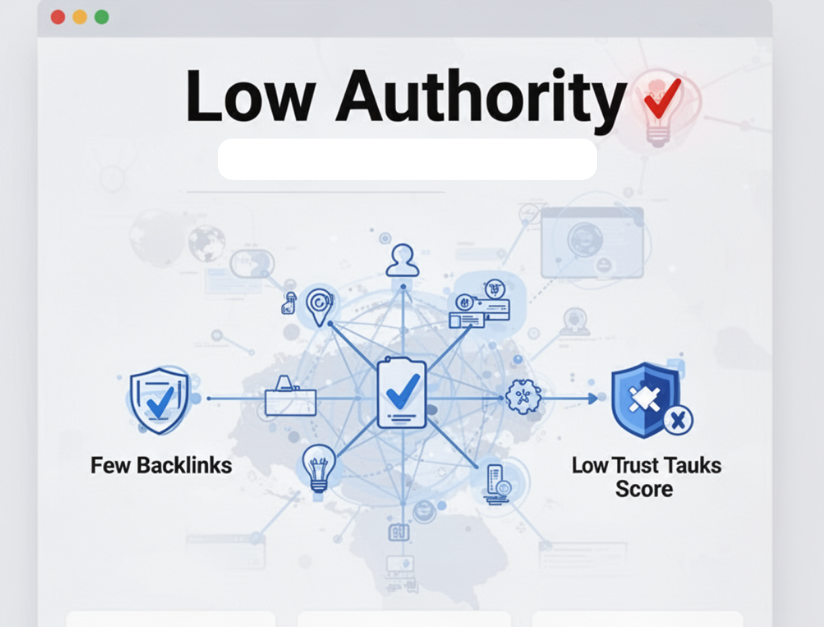
2. Your website has low authority
Google trusts websites that demonstrate expertise and credibility.
If your website is new or has very little authority, Google may hesitate to rank it.
Authority builds over time through:
- consistent content
- topical depth
- and trust signals
Without authority, rankings remain limited.
3. You are targeting highly competitive keywords
Many websites try to rank for difficult keywords like:
- SEO services
- digital marketing
These keywords are dominated by strong websites.
New or growing websites should target more specific queries such as:
- SEO services for small businesses
- local SEO guide for beginners
Specific topics are easier to rank.

4. Your content quality is not strong enough
Google compares your content with competitors.
If your competitors provide:
- better explanations
- deeper information
- clearer structure
Google will prefer their pages.
Thin or generic content struggles to rank.
5. Your website lacks topical authority
Topical authority means covering a subject in depth.
If your website has only one or two articles about SEO, Google may not consider it an SEO authority.
But if your website covers:
- on-page SEO
- off-page SEO
- technical SEO
- AI SEO
Google starts recognising your expertise.
This improves rankings.
6. Your page structure is weak
Google understands content better when it is properly structured.
Poor structure includes:
- no clear headings
- disorganised content
- confusing layout
Good structure improves ranking potential.
7. Your website is new
New websites need time.
Google observes:
- how often you publish
- how users interact
- and how your authority grows
Ranking improvements happen gradually.
This process builds trust.
8. Your page has no internal links
Internal links help Google discover and understand pages.
If your page is isolated and not linked from other pages, its importance appears lower.
Connecting related pages improves visibility.

9. Your competitors are stronger
Sometimes the issue is simple: your competitors have stronger websites.
They may have:
- more authority
- more detailed content
- better overall trust
Google prioritises stronger options.
10. Google AI evaluates usefulness more strictly now
Google’s AI systems now focus heavily on usefulness.
They evaluate:
- clarity
- helpfulness
- structure
- expertise
Pages that fail to demonstrate value may remain indexed but not ranked.
This is one of the biggest changes in modern SEO.
How to fix indexed pages that are not ranking
Improve content depth
Add more useful information.
Make your content the best answer.
Target easier keywords
Focus on specific topics with lower competition.
Build authority gradually.
Publish consistently
Regular publishing signals activity and expertise.
Consistency builds trust.
Improve internal linking
Connect your related pages.
This strengthens topic relevance.
Focus on helpful content
Write content that genuinely helps users.
Avoid writing only for search engines.
How long does it take to rank after indexing?
Typical timeframes:
- New websites: 2–4 months
- Growing websites: 3–6 months
- Established websites: faster results
SEO requires patience and consistency.
Final takeaway
If your website is indexed but not ranking, it does not mean your website has failed.
It simply means Google needs stronger signals before showing your pages.
Focus on:
- improving content
- building authority
- targeting correct topics
- and publishing consistently
In 2026, ranking is no longer about indexing alone. It is about trust, usefulness, and expertise.
Websites that demonstrate these qualities gradually gain visibility, traffic, and growth.
FAQS
Your website may be indexed but not ranking due to low content quality, weak authority, wrong keyword targeting, or strong competition.
It usually takes a few weeks to several months depending on your website authority, competition, and content quality.
Yes, poor SEO, weak content, and lack of internal linking can stop indexed pages from ranking.
Yes, new websites often get indexed quickly but take time to rank because Google needs to build trust.
You can improve rankings by updating content, targeting better keywords, improving internal links, and publishing helpful information.
Yes, Google AI evaluates content usefulness, clarity, and expertise before ranking pages.
Backlinks help build authority, but high-quality content and relevance are also very important.
This happens when your content does not match search intent or your website lacks authority.