
Many businesses are still following old SEO strategies and expecting results in today’s evolving search environment. But in 2026, SEO has changed significantly. With AI-driven systems from Google, ranking is no longer just about keywords and backlinks.
If your SEO strategy is not working, it’s usually because it is outdated, incomplete, or not aligned with how modern search works.
This guide explains the real reasons behind poor SEO performance and what you should focus on instead.
SEO has shifted from keywords to intent
In the past, SEO focused heavily on keywords.
Today, search engines understand user intent.
If your content is:
- keyword-focused but not helpful
- or written only to rank
it may not perform well.
Search engines now prefer content that clearly answers user questions.

You are targeting the wrong topics
Many websites target:
- high-competition keywords
- or topics with no search demand
This leads to low visibility.
Successful SEO now depends on choosing:
- relevant topics
- problem-based queries
- and user-focused content
Topic selection is critical.
Your content lacks depth and clarity
Search engines compare your content with others.
If your content is:
- shallow
- unclear
- or generic
it will struggle to rank.
High-performing content is:
- clear
- structured
- and informative
You are not building topical authority
Publishing random blogs does not build authority.
Search engines prefer websites that focus on a specific niche.
If your content is scattered, your authority remains weak.
Topical authority improves trust and rankings.
Your website structure is weak
Search engines need to understand your website.
Poor structure leads to:
- confusion
- low crawlability
- and weak signals
A well-organized website improves visibility.
You rely too much on backlinks
Backlinks still matter, but they are no longer enough.
Modern SEO also depends on:
- content quality
- user experience
- and clarity
Relying only on backlinks limits growth.
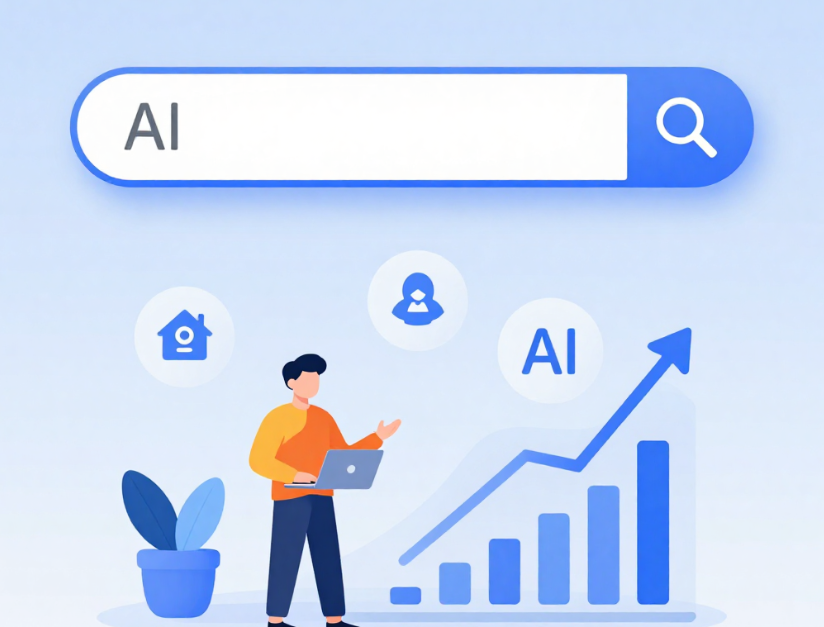
Your content is not optimized for AI search
AI-driven systems now:
- generate answers
- summarize content
- and select sources
If your content is not structured clearly, it may not be used in AI results.
Answer-focused content performs better.
You are not updating your content
Outdated content loses relevance.
Search engines prefer fresh and updated information.
Regular updates improve performance.
Your expectations are unrealistic
SEO takes time.
Many businesses expect quick results.
In reality:
- new websites take months to grow
- authority builds gradually
Patience is essential.

You are not focusing on user experience
User experience is a key factor.
If your website is:
- slow
- confusing
- or difficult to navigate
users leave quickly.
Poor experience reduces rankings.
What actually works in SEO in 2026
To succeed, focus on:
- user intent
- helpful content
- clear structure
- topical authority
- and consistent publishing
These factors align with modern search systems.
Final takeaway
If your SEO strategy is not working, it is not because SEO is dead.
It is because the strategy needs to evolve.
In 2026, SEO is about:
- understanding users
- creating helpful content
- and building trust
Websites that adapt to these changes achieve long-term growth.
FAQS
It may be outdated, focused on keywords only, or not aligned with user intent.
Yes, SEO now focuses more on content quality, user intent, and AI-driven systems.
Focus on helpful content, better topics, and consistent publishing.
Yes, but they are not the only factor.
SEO usually takes several months to show results.