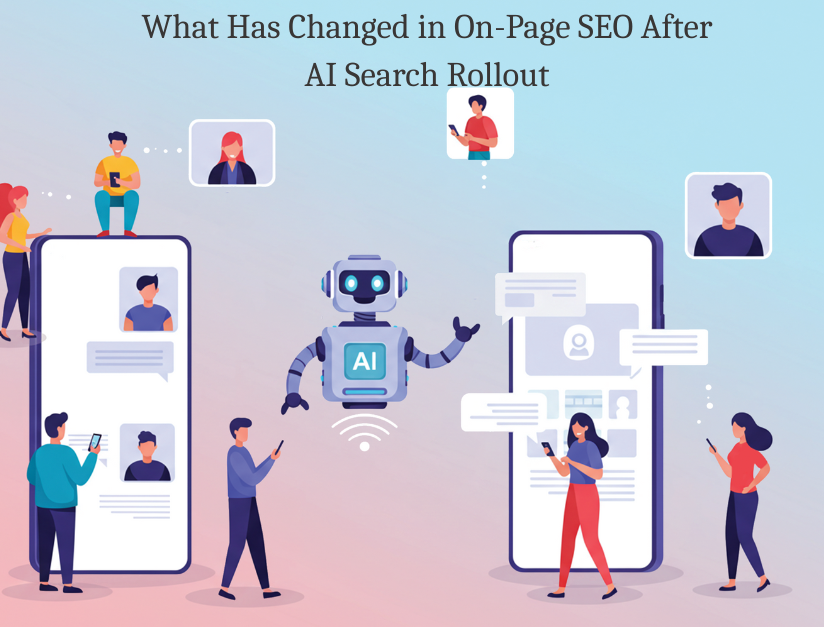
In the era of AI-powered search — where systems like Google use generative models to understand and present content — on-page SEO is no longer just about keywords and tags. The rollout of AI search has fundamentally shifted how search engines analyse, interpret, and prioritise content.
For service-driven businesses and agencies like Mag Cloud Solutions, knowing these changes isn’t optional — it’s essential for visibility, conversions, and long-term authority.
This guide breaks down the major transformations in on-page SEO since the AI search rollout and provides actionable strategies for adapting your content.
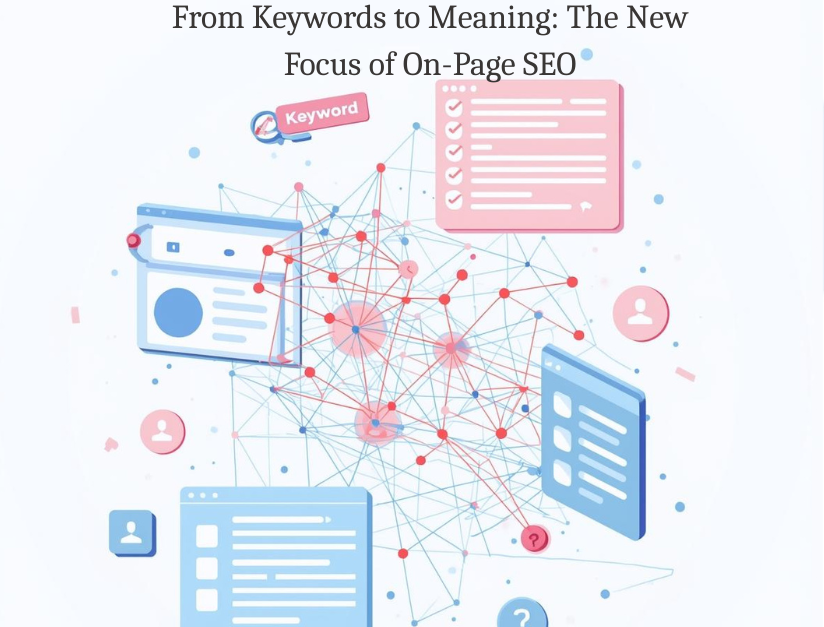
From Keywords to Meaning: The New Focus of On-Page SEO
Traditionally, on-page SEO centred around finding target keywords and placing them strategically in:
- Title tags
- Meta descriptions
- Headings
- Image alt text
- Body content
Today, AI engines scan content differently. Instead of primarily matching words, they evaluate semantic meaning, context, and relevance. AI understands synonyms, intent, phrasing variations and the actual purpose behind queries — not just the exact text string.
This change means that simply repeating or optimising for a set of keywords is no longer enough. What matters most now is how well the content answers the user’s underlying question.’

Clarity and Structure Have Become Core Signals
AI models break content into semantic chunks, using them to construct generated answers. Clear content structure helps these models:
- identify the main topic,
- understand subtopics and their relationships,
- extract precise answer segments from within paragraphs.
This is why pages with well-defined headings, logically separated sections, and clear definitions now outperform those with loosely structured text.
Best practices now include:
- Placing direct answers early in the content
- Using descriptive headings (not generic ones)
- Breaking content into short, focused paragraphs
- Adding clear lists, steps, and tables where relevant
AI search models favour interpretability over keyword density.
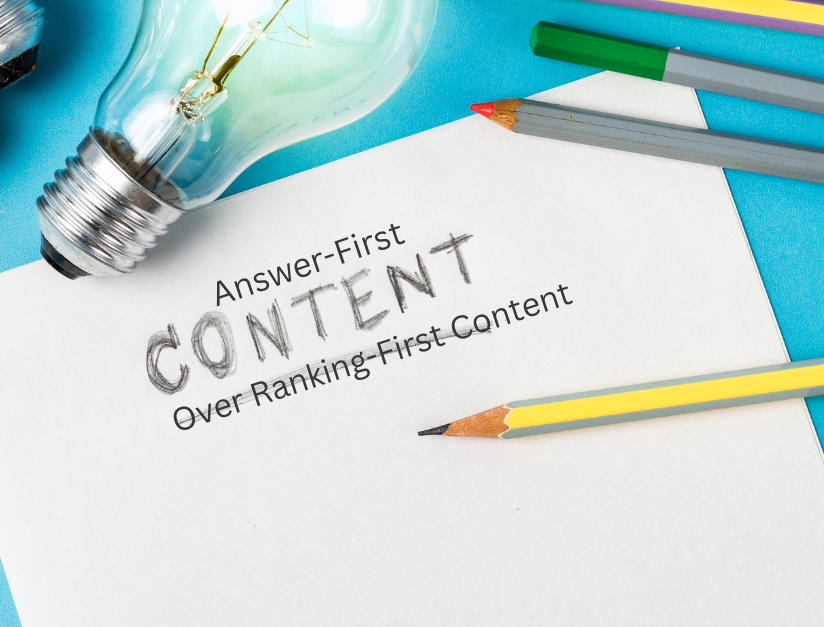
Answer-First Content Over Ranking-First Content
With AI search, ranking algorithms prefer content that directly satisfies user intent. This means:
- Starting with clear and focused explanations
- Avoiding generic introductions that delay the answer
- Addressing common questions upfront
- Supporting explanations with actionable detail
For example:
🔹 Traditional SEO intro:
This article explains digital marketing and how it benefits businesses…
🔹 Modern AI-first intro:
Digital marketing helps businesses grow online by improving visibility, generating leads, and increasing conversions using search, social media and paid advertising.
The second version answers the core question quickly and clearly — which makes it more usable for AI.
Real FAQs Are Valuable
FAQ sections used to be nice-to-have. After the AI rollout, they became priority areas.
Why?
Search AI models extract answers directly from structured question–answer blocks. FAQs help:
- show clear user intents,
- provide concise responses to real queries,
- increase chances of being selected for featured summaries.
Instead of generic FAQ lists, modern SEO encourages intent-focused FAQs that reflect real user questions — not just keyword variations.
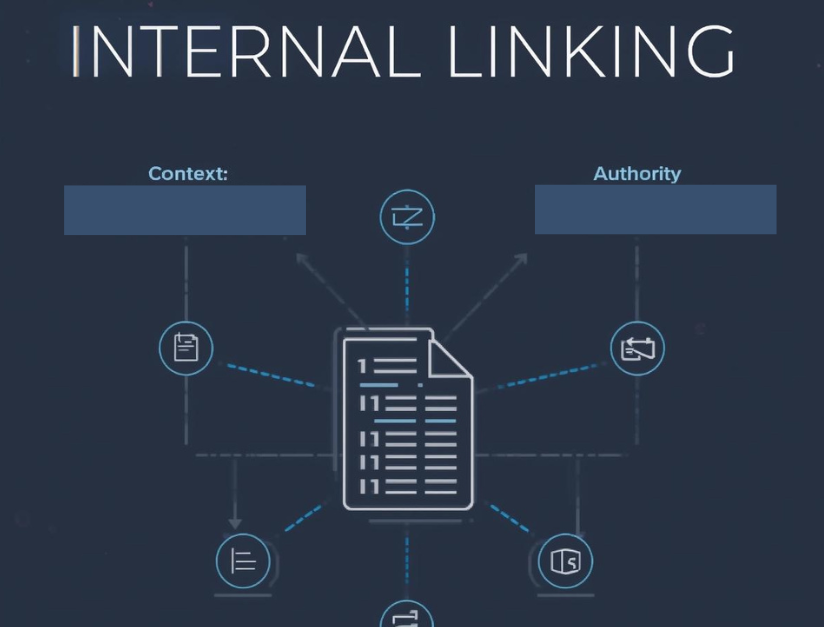
Internal Linking Now Conveys Context and Authority
Internal links were once primarily navigational and helpful for crawling. Today, they serve a deeper purpose.
AI search systems use internal linking to:
- map topical relationships
- determine expertise depth
- evaluate relevance hierarchy
When your site connects related topics and service pages, AI better understands your domain expertise. This improves the likelihood that your pages will be referenced within AI-generated answers.
For example, connecting:
- Digital Marketing Services → SEO Services
- SEO Services → Technical SEO Guide
- Content Optimisation → AI Content Strategy
…shows a clear topic cluster instead of isolated articles.

The Decline of Exact Match Anchors
Old SEO taught us to use exact match keywords in anchor text.
With AI search, semantic anchors work better.
Instead of:
“best SEO service”
Use descriptive anchors like:
“how our SEO services improve organic visibility”
These anchors help AI grasp intent, context and purpose — leading to more meaningful associations.
Meta Elements Still Matter — But Differently
Title tags and meta descriptions remain important. However, AI search models now assess:
- whether the meta description summarises intent accurately,
- whether title and content align meaningfully,
- and whether the page’s purpose is immediately clear from the tags.
Meta titles are no longer just click magnets — they must signal relevance and clarity.
Examples:
🔹 Good SEO title:
What Is Technical SEO? A Complete Guide for 2026
🔹 AI-aligned meta description:
Discover how technical SEO improves site performance, user experience, and AI search relevance with today’s best practices.
Both title and description must reflect real content intent — not just keywords.
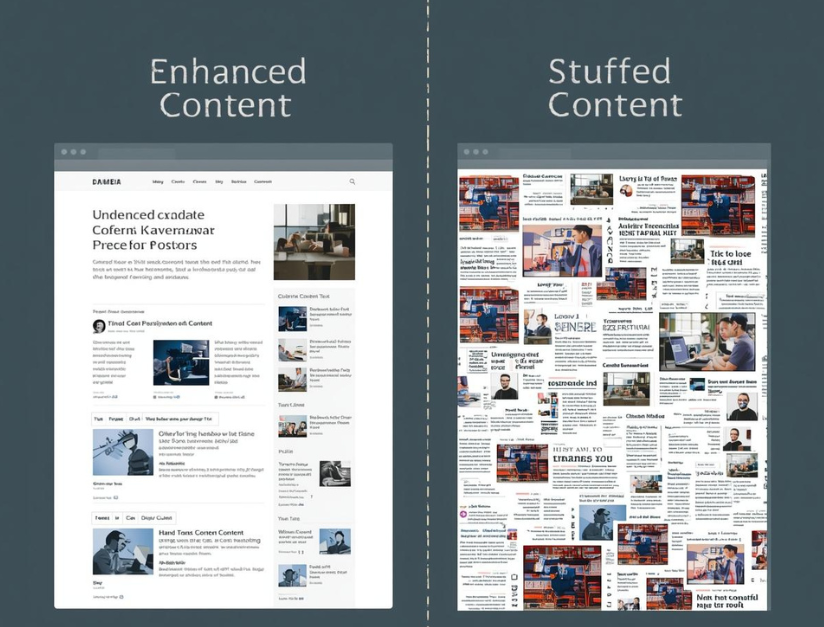
Enhanced Content over Stuffed Content
Keyword stuffing once boosted relevance signals. Now, AI systems penalise “over-optimized content” because it lacks meaningful answers.
Instead of stuffing keywords, modern SEO emphasises:
- thorough explanations,
- contextual relevance,
- varied phrasing,
- semantic depth.
This leads to content that is not only readable but also conceptually rich — aligning with how AI interprets meaning.
Measuring Success Has Evolved
Traditional metrics focused on:
- keyword rankings
- organic traffic
- bounce rate
Today, success metrics have expanded to include:
✔ visibility in AI summaries
✔ impressions for intent-rich queries
✔ engagement on answer-focused sections
✔ conversions from pages featured in AI responses
Keyword ranking by itself no longer captures true visibility in an AI-driven search landscape.

Why This Matters for Businesses in 2026
With AI integrated deeply into search, businesses must:
- rethink content strategy,
- prioritise understanding over keywords,
- refine structure and clarity,
- and build topic clusters instead of standalone posts.
For agencies such as Mag Cloud Solutions, the focus must shift from keyword domination to intent satisfaction.
The new era of SEO rewards content that explains clearly, connects logically, and answers directly — not content that merely repeats target phrases.

On-page SEO now focuses more on content clarity, intent matching and structured answers instead of only keyword placement and density.
Yes, but keywords now help define topic relevance. AI systems prioritise meaning, context and explanation quality over keyword repetition.
AI systems rely on clear headings, short answer sections and logical topic flow to extract and reuse information safely.
Yes. FAQs provide direct question-and-answer blocks that help AI identify reliable answers and increase selection for AI summaries.
Internal links now help AI understand topical relationships and website authority, not only navigation and crawl paths.
Yes. They help clarify page intent and topic focus, which supports AI understanding and improves relevance signals.
Yes. Over-promotional language reduces AI trust. Informative and neutral explanations perform better in AI-driven results.
Businesses should prioritise answer-first content, better structure, intent-focused headings, real FAQs and strong internal linking.