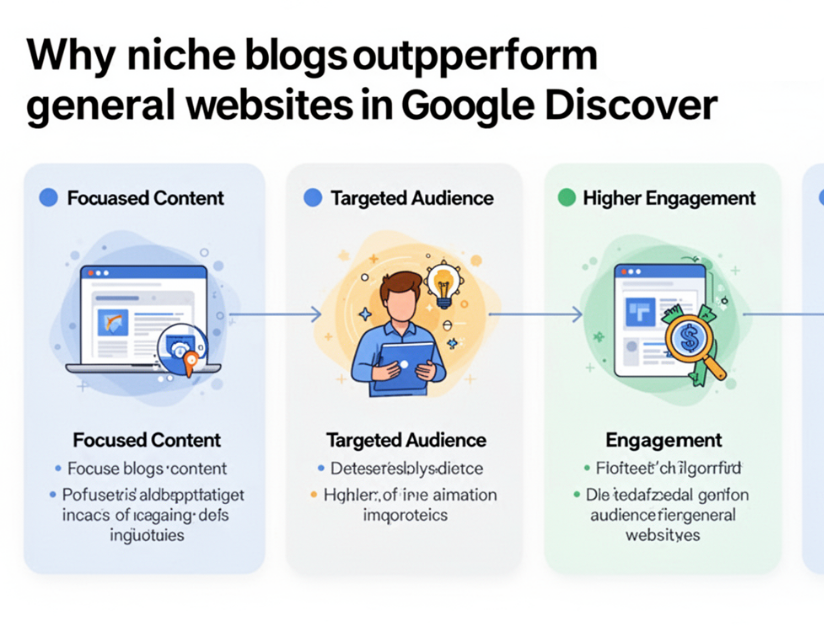
Many website owners wonder why some blogs receive large amounts of traffic from **Google Discover while others struggle to appear at all. One common pattern is that niche blogs often outperform general websites in Discover traffic.
Google Discover is designed to show users content they are likely to find interesting based on their behavior, preferences, and previous activity. Because of this personalization, websites that focus on specific topics or niches usually perform better than websites that cover many unrelated subjects.
Understanding why this happens can help content creators and businesses improve their chances of appearing in Discover.
What Google Discover actually prioritizes
Unlike traditional search results, Google Discover does not rely heavily on search queries. Instead, it shows content based on:
- user interests
- browsing behavior
- engagement signals
- and topic relevance
This means Discover focuses more on content relevance and consistency than keyword optimization alone.
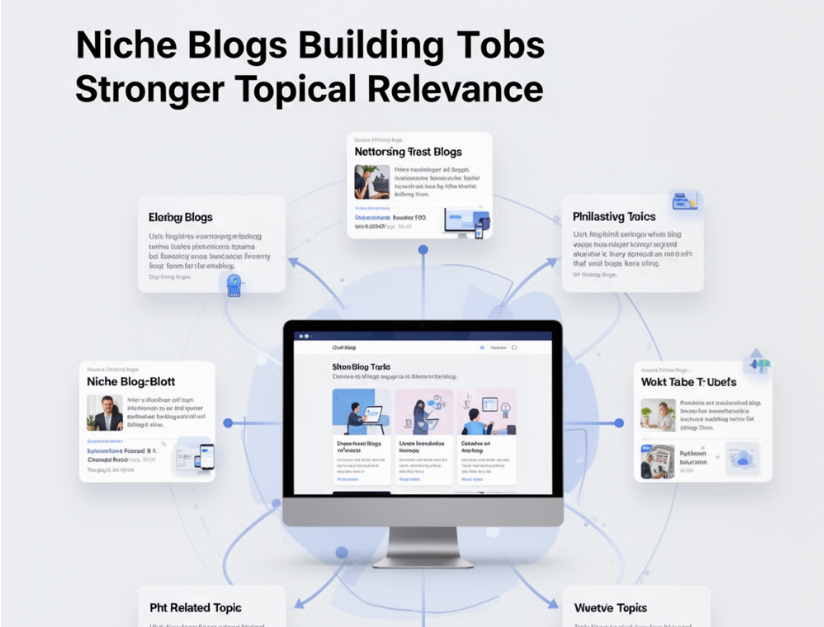
Niche blogs build stronger topical relevance
A niche blog focuses on a specific subject area.
For example, a blog dedicated to travel tips, digital marketing strategies, or technology trends consistently publishes content related to that topic.
Over time, this creates strong topical signals that help Google understand the website’s expertise.
When Google sees that a website regularly publishes valuable content about a specific subject, it becomes easier to recommend that content to users interested in that topic.
Consistency strengthens content recommendations
Niche blogs maintain consistent themes.
This consistency helps algorithms identify patterns in the content.
When every article on a website relates to a specific subject, the system can confidently associate that website with a particular audience.
General websites, on the other hand, often publish content across many different topics. This makes it harder for algorithms to clearly understand the website’s focus.
As a result, Discover may be less likely to recommend such websites.

Audience targeting becomes clearer
Niche websites usually attract a very specific audience.
For example:
- a photography blog attracts photography enthusiasts
- a digital marketing blog attracts marketers and business owners
Because the audience is clearly defined, Google can match the content more accurately with users who have similar interests.
This improves the chances of appearing in Discover feeds.
Engagement signals are often stronger
Google Discover also considers engagement signals such as:
- clicks
- reading time
- and interaction
Users visiting niche blogs are usually more interested in the topic, which means they spend more time reading the content.
Higher engagement signals indicate that users find the content valuable.
This increases the likelihood of Discover recommending similar content from the same website.

Niche websites build stronger authority
When a website consistently publishes content about a single topic, it gradually develops authority in that area.
Authority helps Google trust the website’s expertise.
Trusted sources are more likely to be recommended to users.
General websites sometimes struggle to build this level of expertise because their content is spread across multiple subjects.
Content clarity improves recommendation accuracy
Algorithms work better when content themes are clear.
Niche blogs usually have clear categories, structured content, and consistent topics.
This makes it easier for algorithms to understand the content and determine which audience may find it useful.
Clear structure improves recommendation accuracy.
Niche blogs create recognizable identity
Readers often remember niche blogs because they associate them with a particular subject.
This recognition encourages repeat visits.
Repeat engagement sends positive signals that help content perform better in Discover.
What general websites can learn from niche blogs
General websites can still perform well in Discover if they organise content effectively.
They can improve performance by:
- creating dedicated content sections
- maintaining consistent topic clusters
- focusing on quality and relevance
These steps help create stronger topical signals.
Final takeaway
Niche blogs outperform general websites in Google Discover because they provide clear focus, consistent content, stronger audience alignment, and better engagement signals.
By concentrating on specific topics and delivering valuable information consistently, niche websites make it easier for Discover systems to understand and recommend their content.
In an environment where personalization and relevance drive recommendations, clarity and specialization often outperform broad coverage.
FAQS
Google Discover is a personalized content feed that shows users articles, videos, and updates based on their interests and browsing behavior.
Niche blogs focus on specific topics, which helps algorithms understand their expertise and recommend their content to the right audience.
Yes, general websites can appear in Discover if they publish high-quality content and organize their topics clearly.
Yes, high-quality, engaging, and relevant content increases the chances of appearing in Discover feeds.
Websites can improve Discover visibility by focusing on consistent topics, creating engaging content, and building audience trust.