Smartphones have become an important part of everyday shopping. Customers use mobile devices to search for products, compare prices, read reviews, communicate with businesses, and complete purchases.
This shift has made mobile commerce, often called m-commerce, an important part of modern retail.
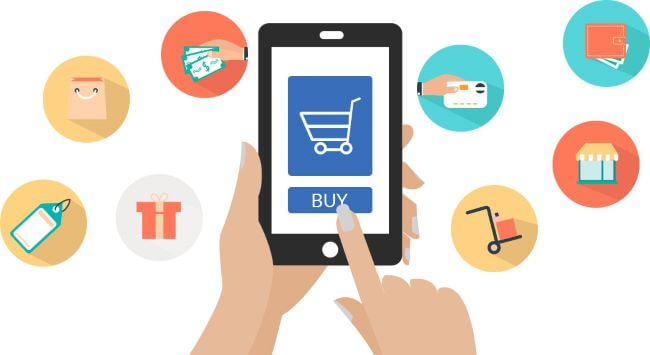
Mobile commerce refers to buying and selling products or services through smartphones and tablets. It includes mobile ecommerce websites, shopping applications, social commerce, mobile wallets, and other smartphone-based purchasing experiences.
For retailers, mobile commerce is no longer simply an additional sales channel. It can become an important part of the complete customer journey.
What Is Mobile Commerce?
Mobile commerce is ecommerce that takes place through mobile devices.
Customers can use a smartphone to:
- Search for products
- View product information
- Compare products
- Add items to a cart
- Make payments
- Track orders
- Contact customer support
- Receive personalized offers
- Manage loyalty rewards
A mobile commerce experience can be provided through a responsive website, dedicated mobile application, social media platform, or other digital channel.
Why Mobile Commerce Matters
Smartphones allow customers to interact with retailers from almost anywhere.
Instead of waiting until they reach a desktop computer or physical store, customers can research and purchase products immediately.
This creates opportunities for retailers to reach customers at different stages of the buying journey.
For example, a customer might see a product on social media, visit the retailer’s mobile website, compare product details, and complete the purchase from the same smartphone.
1. Mobile-Friendly Ecommerce Websites
A mobile-friendly website is one of the foundations of mobile commerce.
The website should adapt to different screen sizes and provide easy navigation.
Important elements include:
- Clear menus
- Easy product search
- Large and readable text
- Fast-loading pages
- Mobile-friendly product images
- Simple checkout
- Easy-to-use buttons
- Secure payment options
A website that works well on desktop but is difficult to use on mobile devices can create unnecessary friction for customers.
2. Faster Mobile Checkout
Checkout is one of the most important stages of the shopping journey.
A complicated mobile checkout can make customers abandon their purchase.
Retailers can simplify the process by reducing unnecessary form fields, providing clear shipping information, offering multiple payment methods, and allowing customers to save relevant information where appropriate.
Mobile wallets and other streamlined payment options can also reduce the number of steps required to complete a transaction.
3. Mobile Shopping Applications
Many retailers use dedicated mobile applications to provide customers with a more connected shopping experience.
An application can provide features such as:
- Product browsing
- Personalized recommendations
- Order tracking
- Loyalty programs
- Push notifications
- Digital coupons
- Wishlist functionality
- Customer support
Applications can also provide retailers with a direct communication channel with customers.
However, businesses should build an app only when it provides meaningful value beyond what their mobile website already offers.
4. Mobile Commerce and Personalization
Mobile platforms can support personalized shopping experiences.
Retailers can use customer interactions, purchase history, product preferences, and other relevant information to provide personalized recommendations or offers, subject to applicable privacy requirements.
For example, an ecommerce platform may show products related to items a customer has previously viewed.
Personalization can make product discovery easier when it is relevant and implemented responsibly.
5. Social Commerce
Social media platforms have become an important part of product discovery.
Customers may discover products through videos, posts, creators, advertisements, or recommendations and then move directly toward a purchase.
Social commerce connects product discovery with digital shopping experiences.
Retailers can use social content to demonstrate products, answer questions, share customer experiences, and direct interested customers toward their ecommerce store.
6. Mobile Payments
Mobile payments are closely connected with mobile commerce.
Customers can use mobile wallets, QR payments, banking applications, cards, and other digital payment methods to complete purchases.
A mobile commerce platform should provide payment options that are convenient while maintaining appropriate security.
A smooth payment experience can reduce unnecessary steps during checkout.
7. Location-Based Retail Experiences
Mobile devices can support location-based retail experiences.
With appropriate customer permission and technology, retailers can provide information relevant to a customer’s location.
For example, a retail application may provide information about nearby stores, store availability, pickup options, or location-specific offers.
Businesses should always consider privacy and permission requirements when using location-related data.
8. Click and Collect
Mobile commerce can also connect online shopping with physical stores.
Customers can purchase products through a mobile website or application and choose to collect their order from a store.
This model, often called click and collect or buy online, pick up in store, can provide customers with greater flexibility.
For retailers, successful implementation requires accurate inventory information and effective coordination between ecommerce and physical store systems.
9. Mobile Loyalty Programs
Traditional loyalty cards are increasingly being complemented by digital loyalty programs.
A mobile application or mobile-friendly account can allow customers to view rewards, coupons, purchase history, or available benefits.
Retailers can also use loyalty platforms to communicate relevant offers.
When customer data is collected, businesses should provide appropriate transparency and follow applicable data protection requirements.
10. Mobile Search and Product Discovery
Customers often begin shopping by searching for information.
Retailers therefore need to make their product pages easy to discover through mobile search.
Important elements include clear product titles, useful descriptions, structured information, relevant keywords, high-quality images, and fast-loading pages.
Good mobile search experiences can help customers find products more easily.
11. Mobile Commerce and AI
Artificial intelligence can improve different parts of mobile shopping.
AI-powered systems can support:
- Product recommendations
- Conversational shopping assistants
- Personalized search
- Customer support
- Product discovery
- Fraud detection
- Demand forecasting
For example, an AI shopping assistant could help a customer find products based on their requirements rather than requiring them to manually browse hundreds of products.
12. Improving Mobile Customer Support
Customer support is another important part of mobile commerce.
Customers may have questions about product specifications, delivery, returns, payments, or order status.
Retailers can provide mobile-friendly support through live chat, chatbots, messaging systems, FAQs, and customer service applications.
The objective should be to provide customers with quick access to useful information while making it easy to reach a human representative when necessary.
13. Mobile Commerce and Omnichannel Retail
Mobile devices can connect different parts of the retail experience.
A customer might:
- Discover a product on social media.
- Visit the mobile website.
- Check store availability.
- Purchase the product online.
- Collect it from a physical store.
- Receive digital support after purchase.
This is an example of how mobile commerce can become part of a broader omnichannel strategy.
Challenges of Mobile Commerce
Mobile commerce also creates several challenges for retailers.
Businesses need to maintain website performance, mobile security, payment reliability, application compatibility, customer privacy, and accurate product information.
Mobile users may also have different internet speeds and device capabilities.
Retailers therefore need to test their mobile experiences across different devices and network conditions.
Security is particularly important because customers may use smartphones to access accounts and make payments.
The Future of Mobile Commerce
Mobile commerce is likely to become increasingly connected with AI, digital wallets, social commerce, augmented reality, loyalty platforms, and omnichannel retail systems.
Shopping applications may become more conversational, allowing customers to search for products using natural language.
Retailers may also provide more personalized mobile experiences based on customer preferences and shopping behavior.
At the same time, privacy, security, transparency, and responsible data management will remain important considerations.
Conclusion
Mobile commerce is changing how customers discover, evaluate, purchase, and interact with products.
A strong mobile commerce strategy involves more than making an ecommerce website responsive. Retailers need to create a complete mobile experience that includes product discovery, fast navigation, simple checkout, secure payments, customer support, and connections with physical stores.
As smartphones continue to play an important role in everyday shopping, mobile commerce can become an important channel for retailers looking to build convenient and connected customer experiences.